India Why Poor Farming Limits Farmers
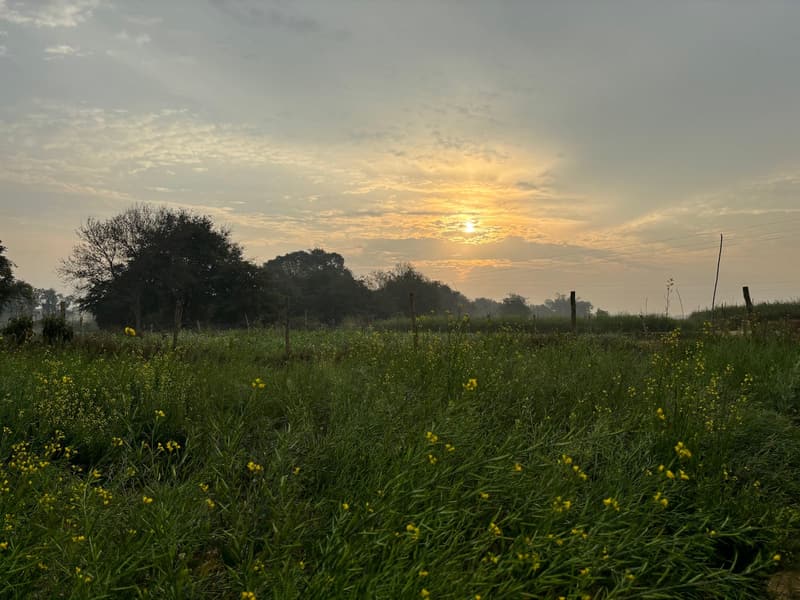
Representative photo · Photo: 25 Cents FC / Wikimedia Commons, CC BY 4.0
Expert highlights that eighty-six percent of Indian farmers own less than two hectares, limiting productivity and earnings.
Small and fragmented landholdings continue to present a major obstacle for India's agricultural sector, restricting the ability of farmers to enhance productivity and boost their overall earnings. Addressing this issue, an expert discussed challenges related to why poor farming structures persist across the nation during a recent conclave.
Speaking at the India Today Kisan Tak Conclave 2026, Dr Bina Agarwal, former Director of the Institute of Economic Growth, stated that eighty-six percent of farmers manage less than two hectares of land, while seventy percent hold less than one hectare. She pointed out that farming in isolation hinders growth, whereas working together can significantly improve productivity and financial returns. Referring to NABARD's Joint Liability Group model, she explained that groups consisting of six to ten farmers can successfully obtain collateral-free, subsidised credit.
Small landholdings make it difficult for Indian farmers to adopt better practices and earn higher incomes.
Dr Agarwal highlighted the success of Kerala, where seventy-three thousand such groups have been established. In that state, group productivity reaches double that of an individual farming family, and net returns per hectare are notably higher. Meanwhile, Union Agriculture Minister Shivraj Singh Chouhan reported that India's agricultural growth rate reached 4.5 percent since 2014-15, with agricultural production expanding by nearly fifty percent over the past decade. He added that the government aims to raise foodgrain production to 550 million tonnes by 2047.
Why it matters
Small landholdings make it difficult for many Indian farmers to adopt better farming practices, improve productivity and earn higher incomes. Addressing these structural limitations through collective farming models can help transform the agricultural landscape for millions of rural workers.
Sources
More like this

Nissan Cuts Petrol Car Output as EV Sales Surge in China

ITV Announces £30m Cost Cuts Amid Falling Ad Sales

UK police to target 500 prolific shoplifters in retail crime crackdown