Bird Flu Restrictions Imposed Across England and Scotland for Second Year
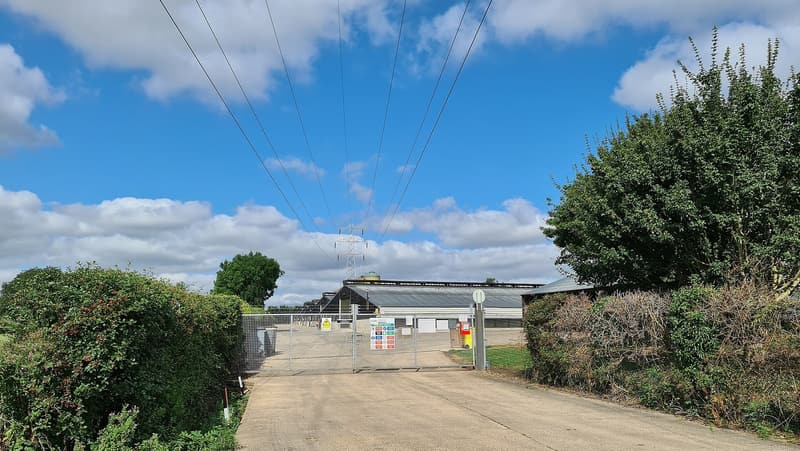
Representative photo · Photo: Chris Morgan / Wikimedia Commons, CC BY-SA 2.0
Authorities in England and Scotland have mandated that poultry and captive birds be kept inside following a rise in bird flu cases.
Farmers and bird owners across England and Scotland face strict new mandates after an escalating number of confirmations regarding a severe strain of bird flu. Authorities have issued prevention orders requiring individuals with 50 or more poultry or captive birds to house them indoors. This marks the second consecutive year that such restrictions have been implemented to protect flocks from the virus, following a similar designation declared across England, Scotland, and Wales.
Alongside indoor housing orders, birdkeepers must adhere to enhanced biosecurity protocols. These measures include monitoring and reporting any changes in egg production, as well as immediately notifying the Animal and Plant Health Agency of any suspected disease within flocks. Government officials noted that the declarations follow a rising trend of highly pathogenic avian influenza detections among both kept and wild birds.
Strict housing measures are enforced across England and Scotland to combat rising bird flu threats.
Understanding the Bird Flu Situation
The ongoing spread of the virus has severely impacted wild bird populations since the summer of 2021. Globally, the disease has affected an unusually broad range of species, including major southern elephant seal populations where high mortality rates have been observed among newborn pups and adult females. While human cases have been recorded globally, the British government emphasized that the current risk to human health remains very low.
Consumers have been assured that the situation is not expected to affect the availability of Christmas turkeys and other seasonal poultry. According to the Food Safety Authority, properly cooked poultry products and eggs remain entirely safe for consumption. UK chief veterinary officer Christine Middlemiss highlighted the severe toll the virus can take on flocks, expressing gratitude for the ongoing cooperation of the agricultural sector.
Why it matters
The mandated housing and biosecurity rules directly impact commercial poultry farmers and private bird owners by forcing operational changes for the second year in a row. These restrictions aim to safeguard domestic animal health and maintain the safety of the food supply.
Sources
More like this
Ebola cases in DR Congo pass 11,000, with 5,387 deaths
Disabled people in England face two-year waits for essential wheelchairs

Antidepressant Escitalopram Most Effective at Preventing Relapse, Study Finds