Indian Railways May Scrap 43-Year-Old RAC Ticket Facility: Key Details
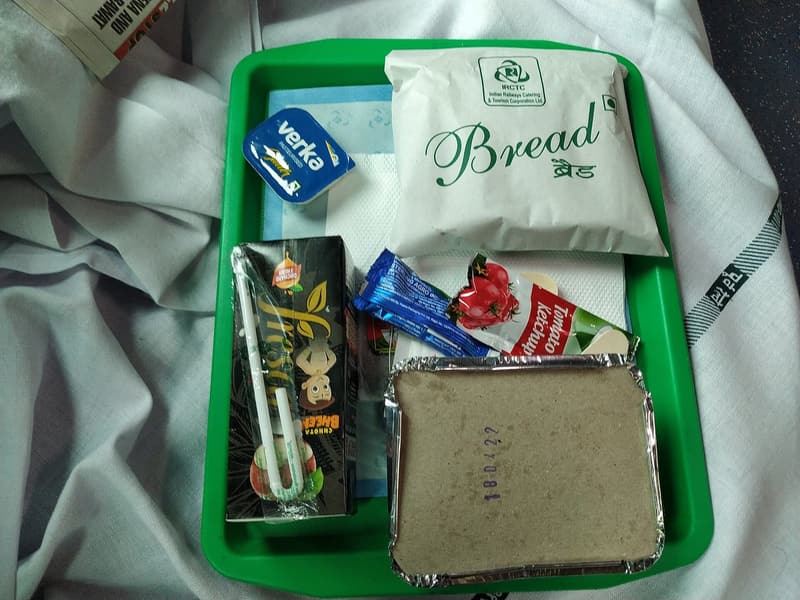
Representative photo · Photo: Ravi Dwivedi / Wikimedia Commons, CC BY-SA 4.0
Indian Railways is considering ending the Reservation Against Cancellation (RAC) system as officials cite digital advancements and reduced financial risks.
The Indian Railways is currently evaluating the potential discontinuation of the Reservation Against Cancellation (RAC) facility, a system that has been in operation for over four decades. Senior railway officials have suggested that the arrangement, which was introduced in 1983-84 by then Railway Minister ABA Ghani Khan Choudhury, may have outlived its original utility due to significant technological advancements in the Indian Railways ticket booking and verification infrastructure.
Indian Railways is considering scrapping the RAC system due to digital advancements and updated ticketing processes.
Understanding the Indian Railways RAC system
The RAC facility was originally created to assist wait-listed passengers by allowing them to occupy berths that remained vacant when confirmed travelers failed to board. The system allows two passengers to share a single side-lower berth, with both paying the full fare. While the ministry expanded the capacity for such passengers in 2016 across sleeper, 3AC, and 2AC classes, the system has faced ongoing criticism regarding the inconvenience of sharing berths despite full-fare payments.
Officials now argue that the integration of Hand Held Terminals (HHTs) for train ticket examiners has transformed the process. When a passenger with a confirmed reservation does not turn up, the examiner can update the status digitally, making the seat available for other travelers at the next station. This real-time update capability reduces the necessity for the RAC buffer.
Furthermore, changes to cancellation rules in 2015 mean that the railways retain the full fare if a confirmed passenger fails to travel. Consequently, the organization no longer faces financial losses from vacant berths, as the seat can be reallocated at full cost. The Parliamentary Public Accounts Committee recently suggested that a partial refund mechanism should be developed for RAC passengers, though officials noted that implementing such a system across both online and physical booking platforms presents significant technical complexities. Currently, the Vande Bharat Sleeper trains are the only services operating without the RAC facility.
Why it matters
Scrapping the RAC facility would mark a major shift in how the Indian Railways manages passenger overflow and berth utilization. By limiting the discretionary power of ticket examiners and relying on digital status updates, the move aims to streamline operations and reduce unfair practices.
For passengers, this change could mean a shift toward more definitive booking statuses. While the move addresses concerns regarding berth sharing and fare fairness, it also highlights the ongoing transition of the national rail network toward a fully integrated, technology-driven reservation system.
Sources
More like this

Inflation rises in the UK as energy and food costs shift

SSE Threatens Closure of Yorkshire Gas Storage Site Unless Ministers Intervene

UK Inflation Rises to 3.6% Driven by Higher Petrol Prices