Supreme Court Rejects Custodia Bank Appeal Regarding Federal Reserve Master Account
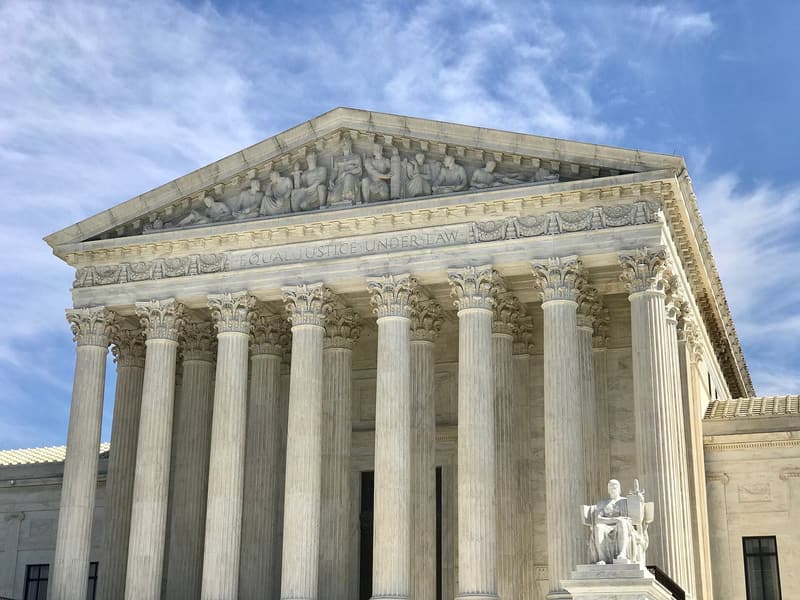
Representative photo · Photo: Quercusvirginiana / Wikimedia Commons, CC0
The U.S. Supreme Court has declined to hear Custodia Bank's appeal, effectively upholding the Federal Reserve's authority to deny master account access to crypto-focused institutions.
This is news, not investment advice. NexVani Media is not a SEBI-registered investment adviser and does not recommend buying or selling any security. Do your own research or consult a registered adviser before investing.
The U.S. Supreme Court has officially denied a petition from Custodia Bank to review the Federal Reserve’s refusal to grant the Wyoming-based firm a master account. This decision marks the conclusion of a years-long legal battle led by CEO Caitlin Long to secure direct access to the central bank’s payment rails. The case, Custodia Bank, Inc. v. Federal Reserve Board of Governors, appeared on the Court’s Monday order list as a denied petition for certiorari, leaving a previous Tenth Circuit ruling intact.
The Supreme Court's refusal to hear the case confirms that regional Federal Reserve Banks have the discretion to deny master account access to eligible applicants.
For those following the Supreme Court case status, this outcome establishes a significant precedent. A master account serves as a bank's direct entry point to Fedwire and other essential payment services. Without one, state-chartered banks must rely on third-party correspondent institutions to facilitate financial transactions. Custodia, a Wyoming special purpose depository institution, applied for a master account in 2020 after receiving a charter that mandates full reserves in liquid assets and prohibits lending.
Although the Kansas City Fed initially indicated there were no major obstacles to the application, the Board of Governors later introduced stricter review guidelines in 2022. These rules placed firms without federal insurance or supervision into a category subject to the highest level of scrutiny. Ultimately, the Kansas City Fed denied the application in 2023, citing the bank's focus on crypto-asset activities as a risk to safe and sound banking practices. The Board of Governors concurrently denied Custodia’s membership application.
Legal challenges followed, with a U.S. District Court judge initially granting summary judgment to the Federal Reserve. The Tenth Circuit later affirmed this in a 2-1 decision, concluding that the Federal Reserve Act grants regional banks discretion in approving accounts. While one judge dissented, arguing that the law mandates access for nonmember institutions, the full Tenth Circuit later denied a rehearing. By declining to review the case, the Supreme Court has effectively closed the final judicial avenue for Custodia to challenge the denial.
Why it matters This ruling clarifies that a state charter does not guarantee automatic access to the Federal Reserve’s payment infrastructure. Crypto-focused banks and other novel financial institutions now face significant hurdles in obtaining direct access, as they must rely on the discretion of regional Reserve Banks. For the broader financial sector, this decision reinforces the regulatory challenges inherent in integrating digital asset-focused entities into traditional banking systems.
Sources
More like this

Boris Johnson Questions Who Knows Who Is In Charge of Bitcoin at Breakpoint
Record hedge-fund leverage could soon spill over into Bitcoin

Swedish H100 Group Selects Coinbase Prime and Deribit for Bitcoin Treasury Management