Between GTA V And GTA VI, How India's Stock Market Evolved
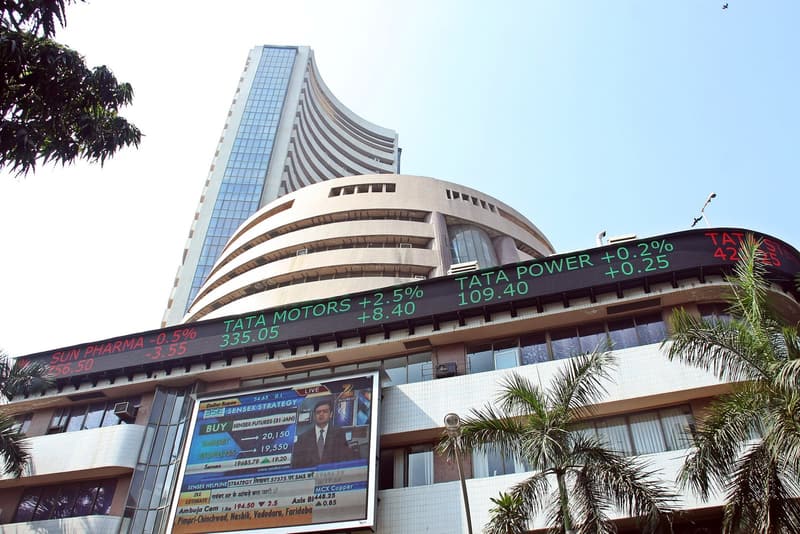
Representative photo · Photo: BSEINDIA / Wikimedia Commons, CC BY-SA 3.0
Explore how India's stock market, mutual funds, demat accounts, and trading regulations transformed dramatically between 2013 and 2026.
This is news, not investment advice. NexVani Media is not a SEBI-registered investment adviser and does not recommend buying or selling any security. Do your own research or consult a registered adviser before investing.
When the iconic video game Grand Theft Auto V came out in September 2013, India's stock market looked very different. It was much smaller, ordinary retail participation was limited, and share trades took two working days to settle. Now, with GTA VI on the horizon 13 years later, the market has undergone a massive transformation that parallels the changes experienced in the gaming world.
Data from the BSE shows that the total market capitalisation of listed companies rose from Rs 63.86 lakh crore in September 2013 to Rs 507.65 lakh crore as of November 18, 2026, marking an increase of about 695 per cent. During the same period, the Sensex rallied over 323 per cent from 19,379.77 to 82,031.81, while the Nifty 50 climbed nearly 340 per cent from 5,735.30 to 25,227.95.
Accessibility and retail participation expanded significantly over the decade. The number of demat accounts across CDSL and NSDL jumped from 2.18 crore in March 2014 to 24.39 crore by October 2026, driven by smartphone-based trading apps, lower brokerage fees, and streamlined digital account openings. However, multiple accounts held by a single investor mean this tally reflects overall accounts rather than unique individuals.
India's market capitalisation jumped nearly eightfold while mutual fund assets swelled to Rs 83 lakh crore.
Mutual funds also experienced extraordinary growth. According to the Association of Mutual Funds in India, assets under management grew from Rs 7.45 lakh crore in September 2013 to Rs 83.39 lakh crore in October 2026, while mutual fund folios rose from 4.13 crore to 28.78 crore. Systematic investment plan accounts reached 10.80 crore by October 2026, up from 2.62 crore in March 2019.
Regulatory and Settlement Upgrades
Market infrastructure underwent major regulatory improvements by the Securities and Exchange Board of India. Share settlement moved from T+2 to T+1 in January 2023, followed by an optional same-day T+0 settlement facility in March 2024. IPO applications also shifted with ASBA and Unified Payments Interface integration, allowing investors to keep funds securely in their bank accounts until share allotment.
Despite these advancements, rapid retail entry into futures and options trading brought widespread losses. Sebi studies revealed that over 90 per cent of individual traders lost money in equity derivatives, prompting the regulator to tighten index derivatives rules by increasing contract sizes, requiring upfront option premium collections, and limiting weekly expiries.
Why it matters
This unprecedented evolution changes how millions of retail investors in India access financial markets, mutual funds, and initial public offerings from their mobile phones. While faster settlements and digital platforms have democratised investing, the widespread financial losses in derivatives highlight the ongoing need for regulatory oversight and investor awareness.
Sources
More like this
US Tech Sell-off Continues as Anthropic IPO Share Price Drops

Ethos Ltd Faces GST Demand of ₹117.58 Crore From Chandigarh Authorities
Anthropic shares fall back toward IPO price after debut