
UN Nuclear Watchdog Presses Iran to Restore Inspection Access
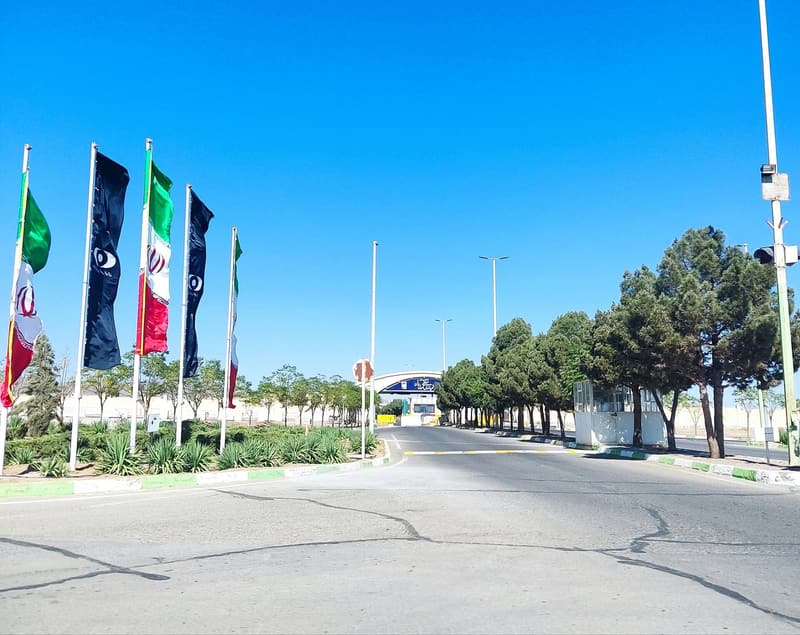
Representative photo · Photo: Parsa 2au / Wikimedia Commons, CC BY-SA 4.0
The IAEA has urged Tehran to allow inspectors back into nuclear facilities, warning that the current lack of oversight poses a significant proliferation concern.
The International Atomic Energy Agency (IAEA) has issued a formal call for Iran to resume cooperation with its inspectors, as the global body seeks to regain oversight of the nation's nuclear program. In a report distributed to member states, the agency emphasized that restoring access is vital for its mandate to monitor atomic activities. This request comes as part of ongoing Iran news regarding the country's restricted transparency since mid-2025.
Since the United States and Israel launched attacks on Iranian nuclear infrastructure in June 2025, Tehran has limited the IAEA to minimal oversight. The agency noted that it remains prepared to restart its safeguards activities on short notice. However, the report highlighted that the lack of information regarding atomic sites and nuclear material is a matter of urgent proliferation concern that must be rectified.
Concerns over Isfahan facility
The IAEA expressed specific concern regarding an underground uranium-enrichment plant located near Isfahan. Although Tehran declared the site in 2025, it has denied inspectors entry. Consequently, the agency remains unaware of the facility's precise location, its operational status, or whether it contains nuclear material. While the report did not confirm that enrichment is occurring at the site, the inability to verify activities there remains a significant hurdle for international monitoring.
The IAEA warns that the current lack of access to Iranian nuclear sites creates urgent proliferation risks.
IAEA Director General Rafael Grossi has suggested that Iran consider limited technical measures to facilitate visits and restore routine monitoring. In response, Iranian Foreign Ministry spokesperson Esmaeil Baghaei stated on Monday that Tehran remains committed to the Nuclear Non-Proliferation Treaty. However, he maintained that the current security environment, specifically citing ongoing threats from the United States, makes cooperation difficult. The Iranian government has indicated that it will not resume standard inspections until the root causes of the current tensions are addressed.
Since the 2025 strikes, the IAEA has been unable to independently verify the status of Iran’s stockpile of near-weapons-grade uranium. The watchdog previously withdrew inspectors for safety reasons, and Iran subsequently enacted legislation to suspend cooperation. Without direct access to these facilities, the agency cannot confirm that nuclear material is not being diverted toward weapons production.
Why it matters
The IAEA’s inability to monitor Iran's nuclear program creates a dangerous information gap regarding global security. For the international community, this lack of oversight complicates diplomatic efforts to prevent the spread of nuclear weapons.
This situation affects regional stability, as the uncertainty surrounding Iran’s nuclear capabilities influences security dynamics. For observers in India and South Asia, the lack of transparency in Iran raises concerns about potential escalation, as any shift in the regional nuclear balance could have wider implications for geopolitical stability across the continent.
Sources
More like this

Russia strikes Kyiv hospital after Starshield issues

Man charged after seven women sexually assaulted on UK university campus

El Salvador Deploys Armed Robots in Haiti Anti-Gang Operation
