Ireland Faces Growing Security Concerns Over Vulnerable Undersea Cables
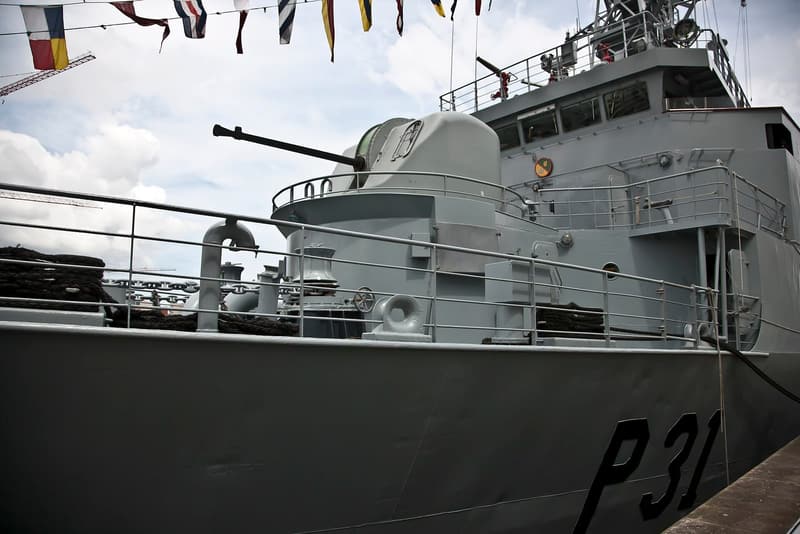
Representative photo · Photo: William Murphy / Wikimedia Commons, CC BY-SA 2.0
Ireland is increasing its naval oversight as concerns mount over potential sabotage to vital transatlantic data cables by foreign vessels.
As the global digital economy relies on a complex web of infrastructure, Ireland fears that its strategic location has made it a focal point for security risks. Nearly 75 percent of transatlantic subsea cables pass through or near Irish waters, connecting North America to Europe. These cables are essential for global communications and trillions of dollars in daily financial transactions, yet their vulnerability to interference has become a significant point of concern for the nation.
Irish fears regarding maritime security
Ireland serves as a critical hub for major United States tech multinationals, including Google, Microsoft, and Meta, which maintain extensive data centres within the country. However, the nation’s limited defence capabilities—characterized by the lowest defence spending relative to GDP in the European Union and a navy without submarines—have left it exposed. Senator Tom Clonan has described the country as Europe’s weakest link in maritime and cyber security, noting that decades of a post-conflict "peace dividend" led to a reduction in security investment.
In recent years, increased activity by Russian vessels has heightened alarms. The Russian ship Yantar, identified by the United Kingdom Ministry of Defence as a spy vessel, was monitored near critical infrastructure in the Irish Sea in late 2024. Similar incidents involving the so-called "shadow fleet"—a collection of ageing, often uninsured tankers used to transport Russian oil—have been linked to damage to subsea cables in the Baltic Sea. In late 2025, a cargo ship was involved in damaging telecommunications lines between Finland and Estonia, leading to the conviction of its crew for sabotage.
Ireland is strengthening its naval oversight to protect vital undersea data cables from potential foreign interference.
To address these evolving threats, the Irish government has empowered its navy to board and inspect suspicious vessels. Former ambassador to the US, Daniel Mulhall, emphasized that Ireland can no longer rely on its geography for protection. He argued that because Ireland is an integral part of the Western digital economy, it must prioritize international cooperation to secure the infrastructure that functions as the "bloodstream" of global trade.
Why it matters
The vulnerability of these undersea cables poses a systemic risk to the global digital economy. As Ireland hosts critical data infrastructure for multinational corporations, any disruption could have far-reaching consequences for international data flows and financial stability.
For readers in India and South Asia, this situation highlights the fragility of global connectivity. As regional economies become increasingly digitized and reliant on international data transfers, the security of subsea infrastructure becomes a shared global concern that transcends borders.
Sources
More like this

11-Month-Old Baby Found Buried Alive in South Carolina Crate

Man Arrested in Miami for Three Alleged Rapes in New York’s Central Park

Tens of thousands join Poland’s nationalist Independence Day march