Israel Coalition Talks Put Arab Party Leader Under Pressure Over Hamas
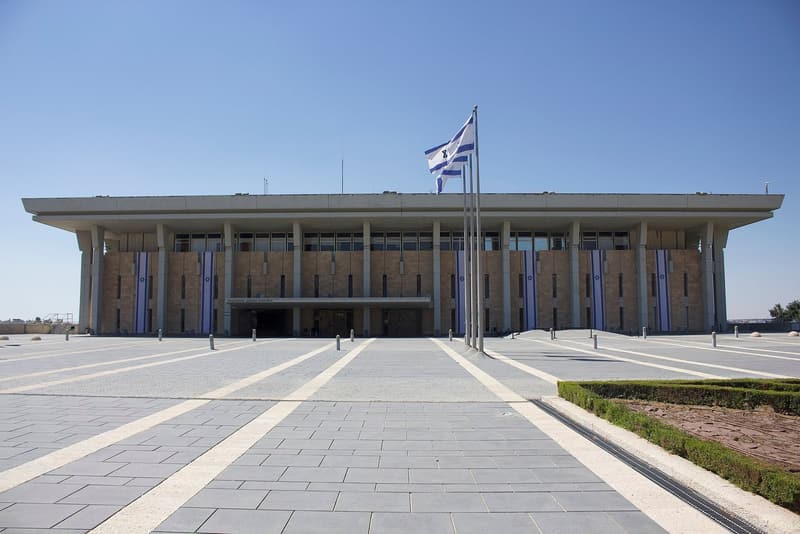
Representative photo · Photo: Clema12 / Wikimedia Commons, CC BY-SA 4.0
Mansour Abbas faces mounting pressure from Israel’s change bloc to denounce Hamas as a prerequisite for a potential coalition role.
The question of whether Mansour Abbas, the leader of Israel’s United Arab List or Ra’am, is willing to recognise the Palestinian group Hamas as a terrorist organisation may determine whether his party will play a role in the country’s next government. According to Israel’s Ynet news website, Abbas has signalled to parties opposed to Prime Minister Benjamin Netanyahu that he would agree to the designation in exchange for a genuine partnership in a coalition led by Gadi Eisenkot, who has been tasked with forming a new government after last month’s elections. Eisenkot has made recognising Hamas as a terrorist group one of the conditions for joining his prospective coalition, alongside demanding that Abbas recognise Israel as a Jewish and democratic state.
However, Abbas denied that he had made a declaration on Hamas, having previously reiterated Ra’am’s support for disarming Hamas and condemning terrorism. These demands pose a serious dilemma for Abbas, whose party represents Palestinian citizens of Israel. While Abbas wants to join the government to improve community conditions and push far-right figures out of power, declaring Hamas a terrorist group would be seen by critics as supporting the Israeli narrative during a deadly war on Gaza.
Mansour Abbas faces intense pressure to designate Hamas to secure a role in Israel's next government.
Ehab Jabareen, an analyst and Palestinian citizen of Israel, noted that Eisenkot’s conditions are designed to make a partnership with Ra’am more acceptable to Jewish Israeli supporters. Including Ra’am’s eight seats in parliament would help Eisenkot secure a viable coalition, though political jockeying and additional demands from figures like Avigdor Lieberman complicate matters further. Abbas faces various options, ranging from joining the coalition to supporting a minority government from outside.
Israel Arab Conflict and Coalition Realities
Political dynamics in Israel continue to shift as prospective leaders negotiate support from minority parties. The unfolding situation highlights the delicate balancing act required by representatives of Palestinian citizens of Israel as they navigate legislative participation, voter expectations, and broader security disputes within the state.
Why it matters
The coalition talks determine whether Arab political parties will hold direct influence in Israel's executive branch, affecting the political representation and civic conditions of Palestinian citizens of Israel. This political maneuvering shapes the broader parliamentary balance and future legislative priorities.
Sources
More like this

Black voters helped Democrats win in Georgia and now expect to be heard

Obama Portrait Artist Shepard Fairey Creates Big Issue Cover Featuring Andy Burnham

Reform UK Sees Support Drop to Labour After Difficult Year