
Jaguar Land Rover Reports Quarterly Loss After Job Cuts
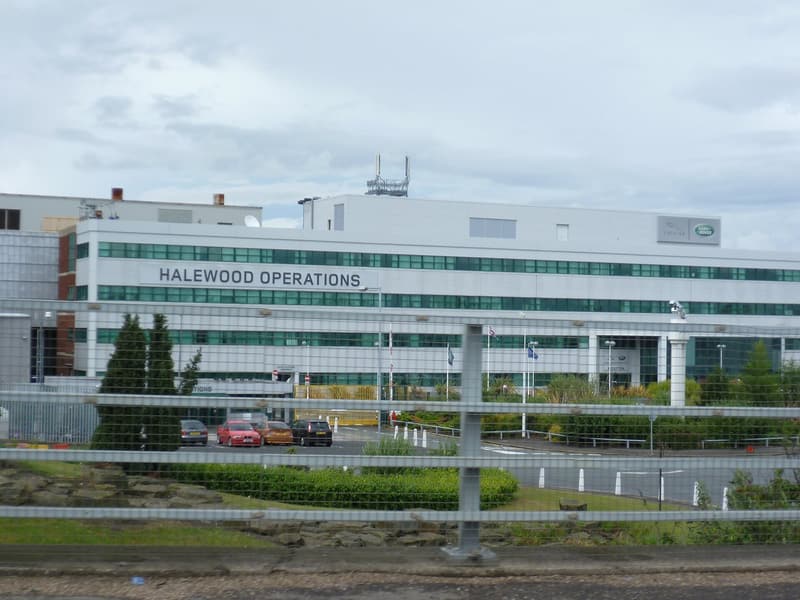
Representative photo · Photo: Anthony Parkes / Wikimedia Commons, CC BY-SA 2.0
Jaguar Land Rover posted a quarterly loss of £451m following job cuts and tough trading conditions, while its leadership called for closer cooperation between the UK and EU.
Jaguar Land Rover has announced a £451m quarterly loss as Britain's largest automotive employer deals with the financial impact of cutting 4,000 jobs. During the period between July and September, revenues for the company rose to £5.9bn, but this financial growth was overshadowed by £530m in restructuring costs linked to the workforce reductions initiated toward the end of the quarter amid challenging market conditions.
The firm stated that the vast majority of the job reductions would be handled through voluntary redundancies, with 3,000 exits already confirmed and most employees scheduled to depart at the end of November. Excluding the restructuring expenses, the company noted it would have achieved a modest operational profit, though its financial results were negatively affected by declining sales in both China and the Middle East.
European automotive manufacturers are currently facing severe market pressure as they attempt to balance costly investments in electric vehicle production with intense competition from Chinese rivals. PB Balaji, the chief executive of Jaguar Land Rover, emphasized that the intense market competition from China necessitates a collaborative approach between the UK and European Union to avoid implementing new post-Brexit trade barriers.
Industry representatives are currently lobbying both the UK and the European Union to postpone the introduction of rules of origin requirements scheduled for January 1. These regulations threaten to impose a 10% tariff on electric vehicles produced in the UK and EU that utilize batteries sourced from Asia, while the European Union is simultaneously evaluating made in Europe regulations that could exclude UK-manufactured cars from regional subsidies.
Jaguar Land Rover reported a £451m quarterly loss after cutting 4,000 jobs amid tough trading conditions.
Balaji stressed the importance of nurturing the emerging electric vehicle sector. He noted that industry participants must work together closely to support the evolution of the electric vehicle market and ensure long-term plans can be successfully implemented. The company, owned by the Indian conglomerate Tata, previously experienced difficulties in China after writing off billions in investments following a surge in local manufacturing capacity.
To drive future expansion, the company is focusing on the United States market and is finalizing an agreement with Stellantis to manufacture Land Rover vehicles domestically. Production of electric Land Rovers has already begun at the Solihull facility in the West Midlands with the flagship Range Rover, and further electric variants of the Range Rover Sport and Defender models are planned to follow.
Why it matters This financial update highlights the deep economic pressures currently facing traditional European automotive manufacturers as they transition toward electric vehicle production while competing with international rivals. The call for cooperation between the UK and the European Union affects supply chains, manufacturing subsidies, and regulatory frameworks across the region, directly impacting automotive employment and industrial strategy.
Sources
More like this

HTLS 2026: Noel Tata Discusses Tata Trusts and Zudio Expansion
FAA Issues Nationwide Ground Stop Affecting Nearly 7,000 US Flights

Thinktank Suggests Removing Clutter and Restricting Cars to Revive UK High Streets
