Minister’s office pressured contractor over CFMEU dispute, inquiry hears
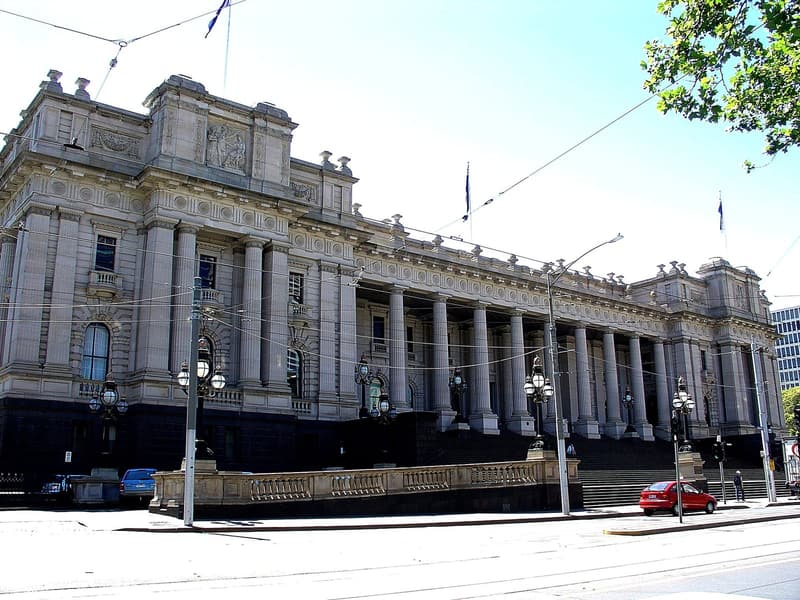
Representative photo · Photo: Bjenks / Wikimedia Commons, CC BY-SA 3.0
A Victorian rail project contractor was allegedly warned they would lose future work if they failed to resolve a union dispute, a royal commission has heard.
A major contractor involved in a troubled Victorian rail project was warned that the office of the then-minister for transport infrastructure, Jacinta Allan, expected them to resolve an industrial dispute or face losing future work in the state. This testimony emerged during the ongoing royal commission into the integrity of major public and civil infrastructure projects in Victoria, which is currently examining a 2022 level crossing removal project at Gap Road in Sunbury.
Peter Wilkinson, a former official with the Victorian Infrastructure Delivery Authority (Vida), testified that his manager, Evan Tattersall, relayed the warning in June 2022. Wilkinson stated that Tattersall had discussed the industrial unrest with the minister's office and cautioned that if the contractors, John Holland and CPB Constructions, could not handle industrial relations, they would not receive further work in Victoria. While Wilkinson noted he did not receive explicit instructions on how to act, he passed the information to the project's delivery alliance manager. When asked why no formal records of this conversation existed, Wilkinson cited the fast-moving nature of the project as the reason for the lack of documentation.
Contractors were allegedly warned that failing to resolve union disputes would result in losing future state work.
Union influence and the minister
The commission also heard from Stephen Villella, a former delivery director for CPB Constructions. Villella described the process of resolving the site shutdown as "galling," noting that construction officials felt forced to "bend the knee" to the Construction, Forestry and Maritime Employees Union (CFMEU). According to Villella, the safety concerns cited by the union to justify halting work were not serious enough to warrant a shutdown. He further alleged that union organiser Joe Myles suggested that collaborating with the CFMEU would improve the companies' chances of winning future tenders, such as the Melbourne airport rail project, and claimed to have direct lines to the minister's office.
Villella testified that workers on the site were "fearful" of the union, fearing both individual and organisational consequences if they defied officials. He disputed earlier claims that workers chose not to work, asserting they were under heavy pressure from the union. The site only resumed operations after management agreed to a list of union demands, which included appointing specific health and safety representatives and switching to CFMEU-aligned traffic and labour hire firms.
Why it matters
The inquiry highlights significant concerns regarding the influence of union officials over public infrastructure projects and the potential for political pressure on private contractors. These revelations suggest a complex relationship between government agencies, major construction firms, and labour unions that may impact how large-scale public works are delivered and managed.
For observers in India and South Asia, this case underscores the global challenges of maintaining transparency and integrity in state-funded infrastructure development. It serves as a reminder of how industrial relations and political oversight can intersect to influence the operational environment for international construction firms.
Sources
More like this
Talarico appeals to Trump’s legacy in bid for bipartisan reforms
Netanyahu Pushes for Conflict Amid Political Survival Bid
Hong Kong activist Joshua Wong sentenced to 10 more years in prison