Moscow summit tests Russia’s waning grip on former Soviet allies
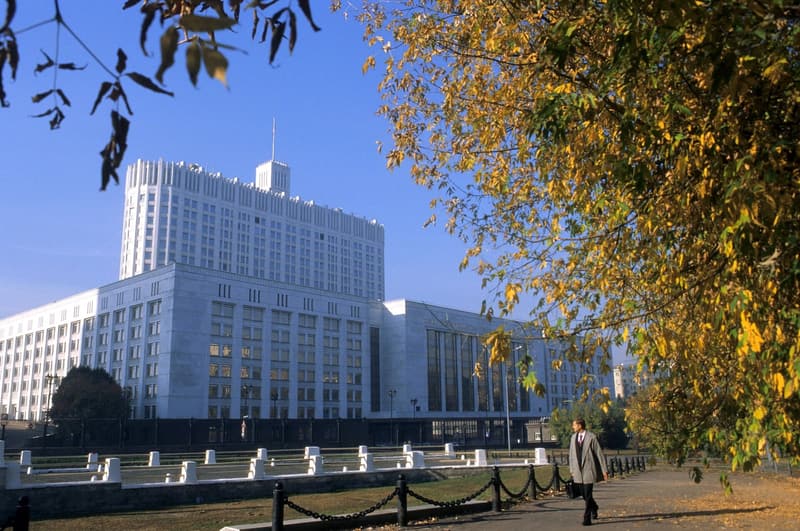
Representative photo · Photo: Владимир Вяткин / Wikimedia Commons, CC BY 4.0
A security summit in Moscow highlights tensions as Armenia freezes participation in the Russia-led CSTO and former allies build alternative partnerships.
Relations between the Kremlin and Armenia take center stage this week at a security gathering in Moscow, where President Vladimir Putin chairs a session of the Collective Security Council. The meeting focuses on the Collective Security Treaty Organization, a post-Soviet military bloc dominated by Russia. However, Armenia has effectively frozen its participation in the alliance since February 2024, bypassing organizational activities following its conflict with Azerbaijan. Yerevan previously criticized the group for failing to provide adequate support during the war.
Armenian Prime Minister Nikol Pashinyan stated that his nation's interest in the bloc has concluded. The friction stems from the 2020 conflict over Nagorno-Karabakh, where neither Russia nor fellow member states deployed troops to assist Armenia, despite charter provisions. Meanwhile, Azerbaijan utilized advanced military hardware purchased from global suppliers to secure a military victory. Pashinyan has consistently challenged Moscow's influence since taking power in 2018, with Yerevan now pursuing membership in the European Union.
Experts note that Russia's ongoing war in Ukraine, combined with Western sanctions and economic pressures, has revealed limitations within the alliance. While Moscow previously deployed peacekeepers to Kazakhstan during unrest in 2022, member states did not support Russia's military campaign in Ukraine. Consequently, former Soviet nations in Central Asia and the South Caucasus are actively exploring alternative security frameworks, including the Organization of Turkic States and various joint military drills.
Why it matters
The shifting dynamics in the region demonstrate a decline in traditional alliances as former Soviet republics pursue independent partnerships and alternative security arrangements. This evolution affects regional stability and illustrates how broader geopolitical conflicts are reshaping international relations across Central Asia and the Caucasus.
Sources
More like this
Sydney private school faces enrollment ban over abuse allegations

Germany tells US Europe must have a seat at Ukraine talks

Trump says further US attacks on Iran are highly unlikely