Nepal Ice-Rock Avalanche Exposes Grid Vulnerability
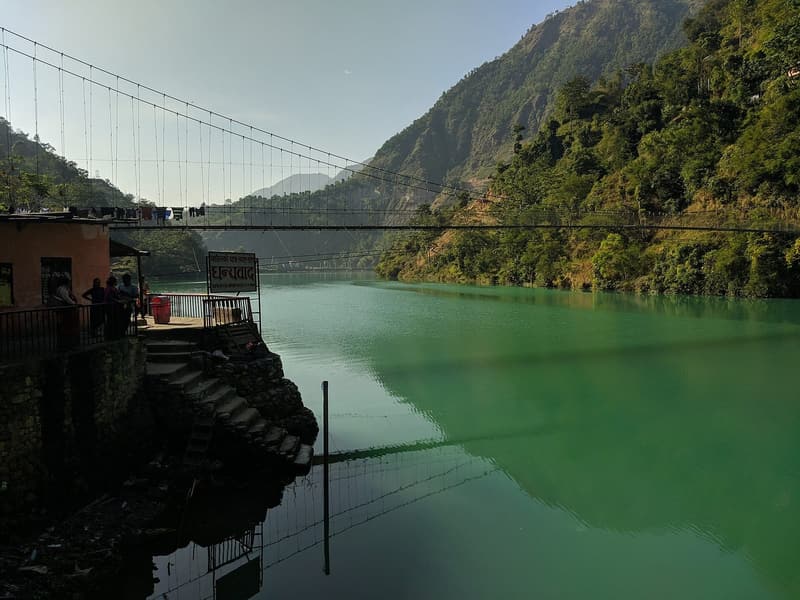
Representative photo · Photo: Bhumbdr / Wikimedia Commons, CC BY-SA 4.0
A devastating glacier collapse and subsequent floods in Nepal have claimed over 1,500 lives and crippled a tenth of the national power grid.
In late August, a glacier partially collapsed on Langtang Lirung in the Himalayas, sending massive floodwaters rushing toward the Rasuwagadhi-Gyirong border at over 100 miles per hour. The surge swept away the 65-foot border control gate and carried it over 60 miles downstream along the Trishuli River. The disaster destroyed an estimated 7,500 homes, multiple bridges, and severely damaged several hydroelectric power stations in Nepal, resulting in a death toll exceeding 1,500 people and leaving roughly 5,600 missing. Officials estimate rebuilding costs will reach $4.71 billion.
Scientists analyzing the event determined that roughly 7 billion cubic feet of glacial ice and rock collapsed, creating a massive impact initially mistaken by the U.S. Geological Survey for a 5.2 magnitude earthquake. A World Weather Attribution analysis indicated that years of rising temperatures thinned the glacier and thawed permafrost deep in the surrounding bedrock. While Nepal frequently monitors glacial lake outburst floods, ice-rock avalanches remain much harder to forecast due to a lack of advanced automated weather stations and monitoring infrastructure compared to regions like Switzerland.
A catastrophic glacier collapse in Nepal has killed over 1,500 people and crippled national power generation.
Nepal Floods Impact on Hydropower
The disaster severely affected the Bhote Koshi-Trishuli corridor, where 14 hydropower facilities were located. The Upper Trishuli 1 power plant, a 215-megawatt run-of-the-river facility, was struck while 1,433 workers were inside, leaving many trapped in underground access tunnels by debris and mud. Overall, Nepal has lost just over a tenth of its national grid capacity, amounting to around 431 megawatts. The Coalition for Disaster Resilient Infrastructure estimates that approximately $124 billion of Nepal’s infrastructure is threatened by climate-driven disasters, while annual spending on disasters vastly outweighs national disaster fund allocations.
Experts note that infrastructure development in hazardous zones has outpaced risk management techniques and forecasting capabilities. Moving forward, electricity regulatory officials indicate that construction standards for hydropower plants will need to rise nationally, potentially increasing electricity costs by 10 to 12 percent for consumers.
Why it matters
The disaster highlights the severe risks facing renewable energy infrastructure in ecologically sensitive mountain regions. With Nepal generating almost all of its electricity through Himalayan hydroelectric projects backed by international investors including India and China, the loss of power capacity and escalating rebuilding costs threaten the nation's economic future and regional energy supply.
Sources
More like this
Rare Images of Amazon Indigenous Group Highlight Threats

Dual Waterspouts Appear in San Francisco Bay Amid Stormy Weather

Hugh Jackman and Artists Urge Ban on Woodside Gas Project