One-Year Research Project Launched Following Port of Tyne Nurdle Spill
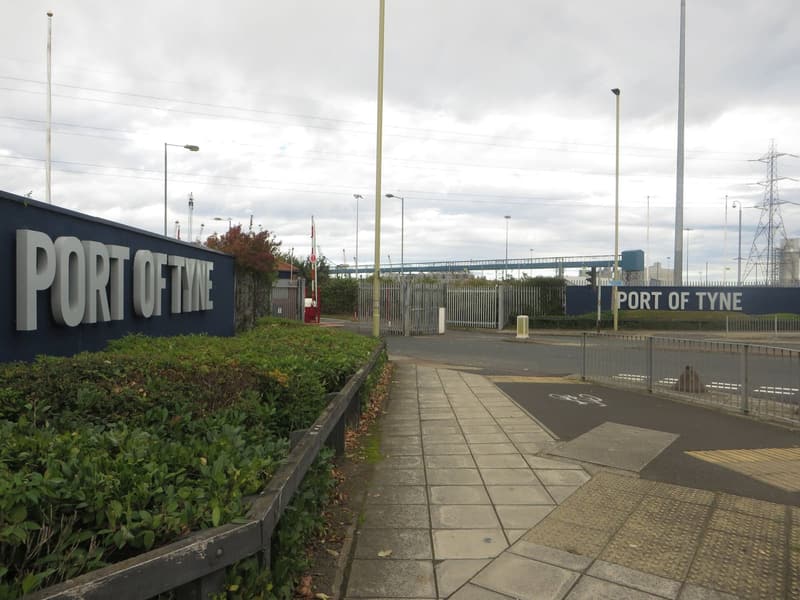
Representative photo · Photo: Graham Robson / Wikimedia Commons, CC BY-SA 2.0
Funding has been secured for a one-year study into the environmental impact of a microplastic nurdle spill in the River Tyne following a ship collision.
A comprehensive year-long research initiative has been launched to examine the ecological consequences of a major microplastic spillage that occurred in July. Following the securement of new financial grants, scientists and specialists are conducting thorough investigations into the environmental impact of the plastic pellets, commonly known as a nurdle, across coastal ecosystems and marine habitats.
The incident took place on the nineteenth of July when a collision between vessels at the Port of Tyne resulted in tons of microplastics entering the River Tyne. A collaborative team operating across Tyneside is currently performing tests to evaluate the overall geographical spread of the pellets and determine the specific effects they have on local fish, birds, and marine life.
Research operations are being spearheaded by experts and scientists from Newcastle University and the University of Liverpool, with additional support provided by regional volunteers and organizations such as the Environment Agency, the Tyne Rivers Trust, and Groundwork North East and Cumbria. The National Environment Research Council funded the project to monitor conditions both within the River Tyne and along the coastal regions.
A year-long study will investigate the ecological impact of a microplastic spillage in the River Tyne.
Investigating the Impact on Wildlife
At the Dove Marine Laboratory located in Cullercoats, North Tyneside, specialists have conducted necropsies on deceased seabirds over the past six weeks. Current testing procedures involve stomach rinsing to determine whether birds have ingested the plastic pellets. Although direct evidence of plastics within the bird stomachs has not yet been confirmed, researchers have identified nurdles within regurgitated biological material.
Concerns were initially raised because birds might mistake the pellets for food sources, potentially leading to starvation from filled stomachs. Researchers also noted that the progressive breakdown of plastics over time poses potential risks to the broader marine food web.
Over the upcoming year, the scientific team intends to map the transportation routes of the spilled pellets. While the debris has already been detected on beaches across Tyneside, Wearside, and Teesside, experts suggest the material may have drifted as far as the coast of Denmark. Researchers plan to visit Denmark to verify whether collected pellets originated from the Port of Tyne incident, noting that similar spills have previously carried materials across vast oceanic distances.
Public participation remains an active component of the ongoing investigation, with community members encouraged to submit photographs of discovered pellets to aid the scientific team.
Why it matters
This research addresses the long-term environmental consequences of industrial maritime accidents on coastal ecosystems. By tracking pellet migration and studying ingestion risks in seabirds, the findings aim to improve understanding of microplastic pollution control and global marine conservation strategies.
Sources
More like this

Greta Thunberg Issues Stark Warning at COP31 Climate Summit

John Kerry Criticizes Trump Climate Policy at Cop31 Summit

Burnham addresses COP31 and announces climate security envoy