EU Proposes Digital Fairness Act to Curb Online Manipulative Practices
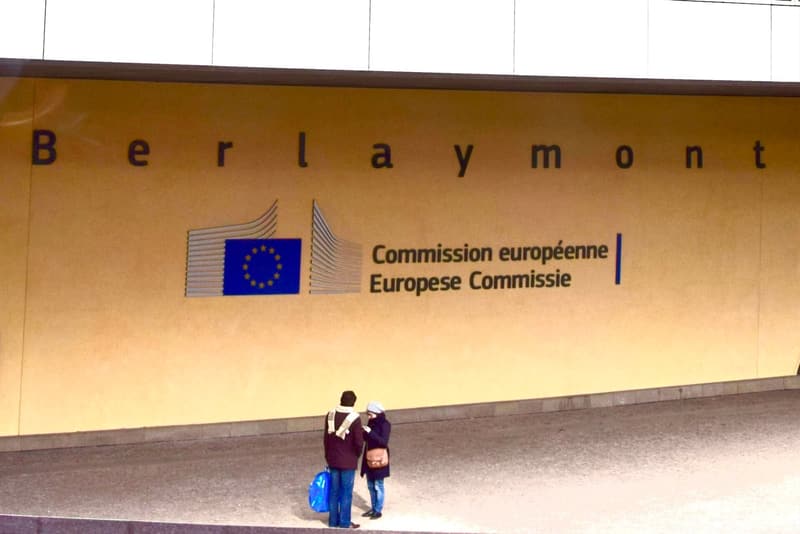
Representative photo · Photo: Ank Kumar / Wikimedia Commons, CC BY-SA 4.0
The European Commission has introduced the Digital Fairness Act to protect consumers from manipulative online tactics, subscription traps, and addictive design features.
The European Commission has unveiled a proposal that aims to redefine how companies interact with users online. While many wonder if regulators can make a significant impact on digital habits, the proposed Digital Fairness Act (DFA) seeks to curb subscription traps, misleading sales tactics, and features that keep people scrolling. The initiative, presented on Wednesday, aims to give consumers greater control over their time and financial resources in the digital space.
The proposed EU law aims to restrict manipulative online practices and protect consumers from addictive digital features.
New rules for digital engagement
The legislation introduces strict requirements for subscription services. Under the DFA, companies would be obligated to provide reminders before free trials expire and must obtain explicit consent before initiating charges. Furthermore, the law aims to simplify the cancellation process and mandates reminders before automatic contract renewals.
Beyond subscriptions, the proposal targets "dark patterns"—manipulative marketing tactics designed to pressure consumers. For instance, websites would be prohibited from using potentially false claims, such as indicating limited stock to create artificial urgency. For services like concert ticket sales, the proposal mandates that sellers display the current price and the maximum potential cost throughout the queueing process.
Addressing digital addiction
To combat addictive interfaces, the EU wants to provide users with the option to disable features like video autoplay. The proposal also places a heavy emphasis on child protection, restricting personalized ads and banning features that allow children to pay to win or advance in online games.
While industry groups like Video Games Europe and the European Games Developer Federation have criticized the measures as "unworkable" and "disproportionate," arguing they could harm developers, others see the move as a necessary evolution. Academic Christoph Busch suggests that if a business model relies on addictive design, it may require a fundamental review. Meanwhile, Associate Professor Catalina Goanta warns that while the proposal is a reasonable compromise, there is a risk of overregulation if existing rules are not enforced effectively first. The legislation allows for fines of up to six percent of a company's global annual revenue for non-compliance.
Why it matters
The Digital Fairness Act represents a major shift in consumer protection that could streamline regulations across the EU, replacing 27 different sets of rules with a single framework. While the proposal still requires formal adoption by the European Parliament and the Council, it highlights a growing trend toward regulating the digital economy to ensure transparency and protect user autonomy.
Sources
More like this

Nvidia CEO Jensen Huang Resigns Following Scandals

Nvidia's CEO Jensen Huang Resigns Following Affair Allegations

China Calls Nvidia Spy Claims a Pretext for Tech Blockade