NYSE Owner Plans to Bring Perpetual Futures to US Market
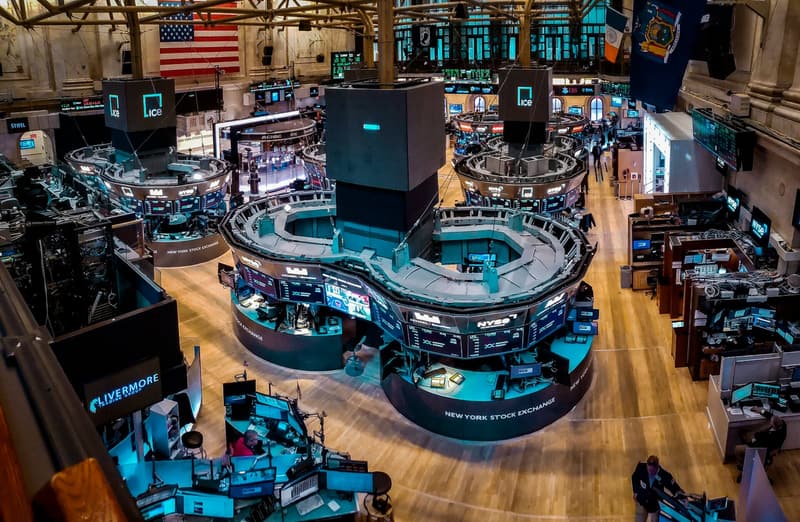
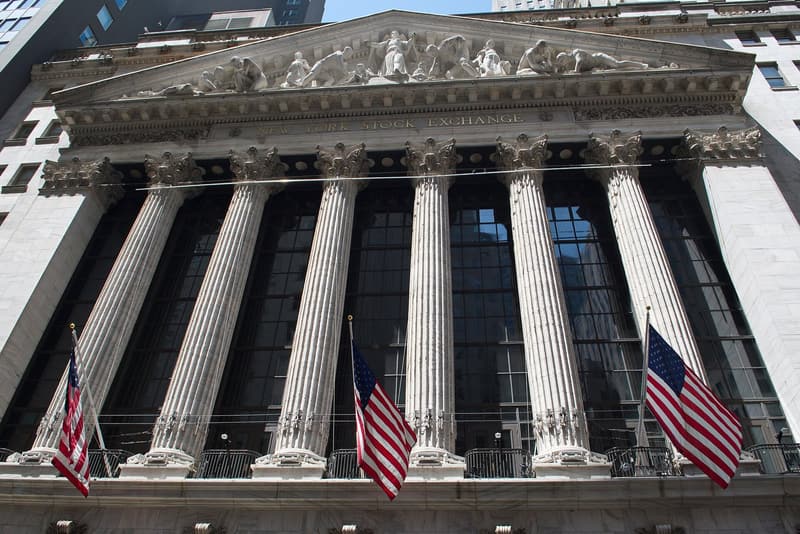
Representative photo · Photo: 颐园居 / Wikimedia Commons, CC BY-SA 4.0
Intercontinental Exchange is collaborating with Trade[XYZ] to offer Hyperliquid-based perpetual futures in the US, though liquidity remains a question.
This is news, not investment advice. NexVani Media is not a SEBI-registered investment adviser and does not recommend buying or selling any security. Do your own research or consult a registered adviser before investing.
The Intercontinental Exchange, which owns the New York Stock Exchange, is working alongside Trade[XYZ] to introduce perpetual futures based on Hyperliquid to the United States market. According to the announcement made on Oct. 29, the operator plans to act as the exclusive operator for these regulated markets, utilizing a specialized retail venue and clearing framework distinct from its institutional futures operations. This initiative also involves a minority investment in Trade[XYZ], though it remains subject to necessary regulatory approvals, particularly those concerning leveraged trading.
Despite the plans for a nyse hyperliquid integration, industry observers note that the proposed venue will need to attract its own buy and sell orders independently. Hyunsu Jung, CEO of the Nasdaq-listed firm Hyperion DeFi, explained that firms quoting across both the planned US venue and existing overseas markets could potentially help maintain close price ties, provided both locations handle funding and match orders similarly. Jung's company builds on Hyperliquid and generates revenue from ecosystem contributions.
Separate order books mean the new US venue must build its own liquidity from scratch.
Perpetual futures allow participants to take positions on reference asset prices without any set expiration date. Trade[XYZ] currently provides contracts on various equities, stock indexes, commodities, and currencies to eligible customers outside the United States. Recent tracking data from UnderHyper shows that Trade[XYZ] accounted for the vast majority of volume across tracked venues operating on Hyperliquid's shared infrastructure under the HIP-3 extension.
Market Mechanics and Order Books
An order book records participant intentions at different prices. Because separate venues maintain independent books, completing a transaction on the proposed US market would require a corresponding order on that specific book. While firms capable of trading on multiple platforms could theoretically arbitrage price differences between overseas and domestic venues, the actual liquidity available will depend heavily on the collateral rules and margin requirements enforced by futures brokers.
Why it matters
The planned expansion highlights traditional financial institutions attempting to tap into decentralized trading activity and high-volume crypto derivatives. For market participants, the success of this venue will ultimately depend on whether sufficient liquidity follows the brand name once regulatory clearances are finalized and the platform officially launches.
Sources
More like this

North Korean Hackers Linked to Sky Stablecoin System Reserves

GameStop CEO Says Digital-Only Games Hurt Consumers
Bitcoin faces $60k threat as Fed minutes show rate hike support