Oxford University Returns Ancestral Naga Skulls to India
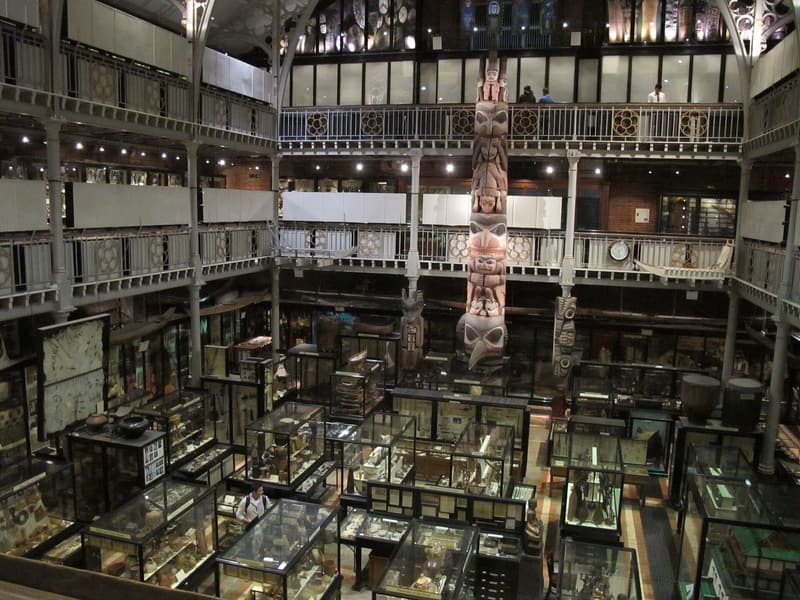
Representative photo · Photo: David Hawgood / Wikimedia Commons, CC BY-SA 2.0
The Pitt Rivers Museum has repatriated the remains of 39 Naga individuals, marking a significant step in the decolonisation process of the institution's vast collection.
The University of Oxford has officially returned the remains of 39 individuals from the Naga community to India, concluding a long-standing effort to repatriate ancestral items taken during the British colonial era. A delegation of approximately 30 representatives from Nagaland, a mountainous state in north-eastern India, traveled to the United Kingdom to attend a formal handover ceremony at the Pitt Rivers Museum on Monday. This event follows a formal request made by a Naga delegation during their visit to the Oxford University campus in 2025.
The University of Oxford has returned 39 ancestral Naga remains to India following a formal repatriation request.
The History of the Collection The Pitt Rivers Museum, which was established in the 19th Century, maintains an extensive collection of over 6,000 objects associated with Naga culture, considered the largest of its kind globally. These items were primarily acquired between 1910 and 1940 by two colonial administrators who also served as anthropologists. According to the museum's own documentation, many of these artifacts were obtained during punitive military expeditions rather than being freely gifted. The remains, which consist largely of skulls, were displayed at the museum for decades before being removed from public view in 2020 as part of a broader institutional decolonisation process.
During their visit, the Naga delegation engaged with descendants of one of the original collectors. Tribal leader Thejao Vihienuo expressed deep skepticism regarding the historical narrative of how these remains were acquired, noting that it is highly unlikely anyone would have voluntarily surrendered the remains of their ancestors as gifts. While anthropologists have documented that the Naga people historically practiced headhunting, they also maintained the heads of their own chiefs at the center of their villages for cultural significance.
Museum director Laura Van Broekhoven described the handover as a historic moment for future generations, noting that the process faced significant bureaucratic hurdles before the remains could finally be returned. The museum has previously facilitated the return of human remains to indigenous communities in the United States, Australia, and New Zealand.
Why it matters The repatriated remains are set to be transported back to Nagaland, where tribal leaders have organized plans for a respectful burial. The community intends to inter the remains under a joint memorial in a local park, providing a final resting place for their ancestors after decades in a foreign museum. This event represents a significant closure for the Naga people, addressing a painful chapter of colonial history.
Sources
More like this
Police Detain Man After Excavator Smashes Government Building in China

Police officer dies after backpack explosion in Oviedo

Congolese sentences 66 soldiers to death for cowardice