Pakistan Petrol Prices Drop Nearly 11% in November After Fresh Cuts
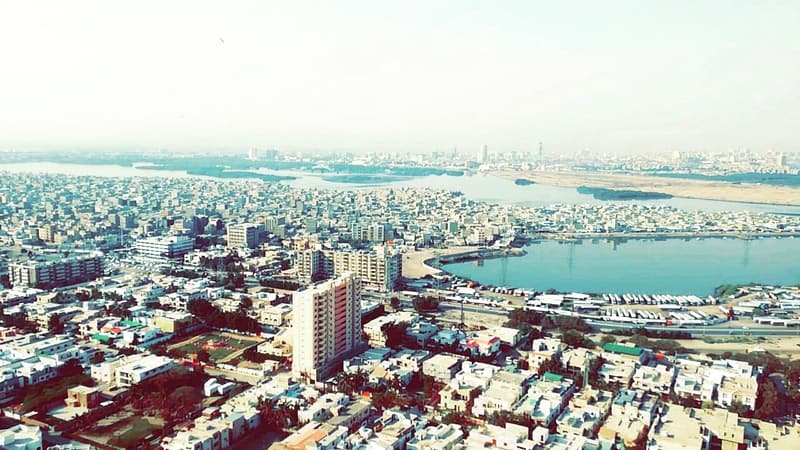
Representative photo · Photo: King Eliot / Wikimedia Commons, CC BY-SA 4.0
Pakistan has reduced petrol prices by Rs8 per liter following a decline in global oil markets, offering relief to consumers and businesses.
As many citizens monitor the Pakistan weather in November 2026, the country is also seeing significant changes in its economic landscape with a nearly 11 percent drop in petrol prices since the start of the month. Authorities announced a fresh reduction of Rs8 per liter on Tuesday, a move prompted by weakening global oil markets amid expectations of easing US-Iran hostilities following the American midterm elections.
Petrol prices in Pakistan have fallen by nearly 11 percent since the beginning of November.
The latest adjustment, which took effect on Wednesday, brings the retail price of petrol to Rs338 per liter. This represents a total decrease of Rs39.91 since October 31. High-speed diesel has also seen a downward trend, falling by Rs31.96, or nearly 8 percent, to reach Rs371 per liter over the same period. The Oil and Gas Regulatory Authority (OGRA) confirmed these revisions in an official statement, noting that the adjustments are based on the government-approved pricing mechanism.
Global Market Shifts
International oil benchmarks have declined sharply as investors reassess the likelihood of further US military action against Iran. This shift in market sentiment follows the November 3 midterm elections in the United States, where the Democratic Party secured majorities in both chambers of Congress. Voters expressed significant frustration regarding rising living costs, including energy prices linked to the regional conflict.
Brent crude settled 1.2 percent lower at $91.49 per barrel on Tuesday, while US West Texas Intermediate dropped 0.9 percent to $86.04. These figures represent two-month lows for both benchmarks. Comments from US Secretary of State Marco Rubio suggesting that existing sanctions and naval blockades are effectively reducing the need for major military operations have further calmed markets. Additionally, President Donald Trump has indicated a willingness to postpone further strikes following appeals from regional nations.
Why it matters
Pakistan relies heavily on imported fuel, making its domestic economy highly vulnerable to global price volatility. The government has transitioned from fortnightly to daily price revisions to respond more agilely to international market fluctuations. These reductions are expected to lower transportation and agricultural costs, as diesel is essential for farming machinery and freight transport, though the actual benefit to consumers depends on whether businesses pass these savings forward.
Sources
More like this
ITV Announces £30m Cost Cuts Amid Falling Ad Sales

UK police to target 500 prolific shoplifters in retail crime crackdown
China’s $1 Trillion Trade Surplus Masks Underlying Economic Weakness