Palmer Luckey Reveals SLAB Project for Offshore Industrial and Medical Operations
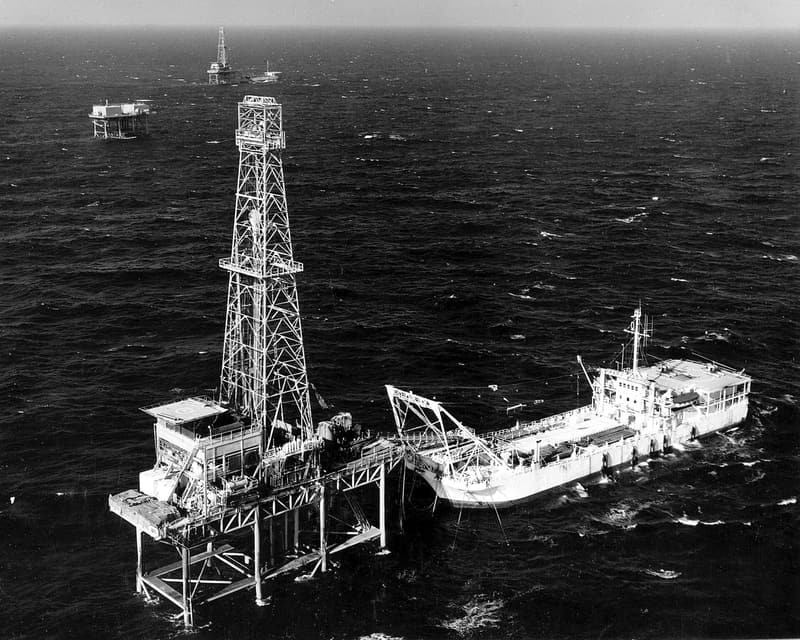
Representative photo · Photo: ENERGY.GOV / Wikimedia Commons, Public domain
Oculus founder Palmer Luckey is developing a massive offshore platform called SLAB to bypass land-based regulations for industrial and medical projects.
This is news, not investment advice. NexVani Media is not a SEBI-registered investment adviser and does not recommend buying or selling any security. Do your own research or consult a registered adviser before investing.
Billionaire entrepreneur Palmer Luckey, known for founding Oculus and the defense firm Anduril, has unveiled a long-term project aimed at establishing an independent offshore industrial base. Known as SLAB, the initiative is designed to function as a seastead with a projected lifespan of 1,000 years, providing a space for activities ranging from metal processing to medical research.
Luckey confirmed that he has been working on the concept for nearly a decade, utilizing funds from the 2014 sale of Oculus to Facebook to finance the development. In a recent social media disclosure, he described the platform as a potential "relief valve" for American industries he believes are currently hindered by local and state regulations. He characterized the project as a method to strengthen the United States by fostering innovation that is currently restricted on land.
Palmer Luckey and the SLAB Concept
While the project has been in development for years, public awareness of the initiative grew after Luckey addressed rumors that the platform was intended to be a floating data center. He clarified that the scope of the project is significantly broader. During an exchange regarding the modernization of medical research, Luckey stated that he would prefer to create an environment where individuals could access treatments that are currently classified as illegal in the U.S. rather than waiting for legislative reform. He argued that traditional political processes are often obstructed by pharmaceutical interests and partisan gridlock.
Despite the ambitious vision, the project faces significant legal and jurisdictional hurdles. Moving operations into international waters does not automatically grant immunity from U.S. law. While Luckey suggested that operating three miles offshore might bypass certain local jurisdictions, federal authority extends much further, including a 12-nautical-mile territorial sea and a 200-nautical-mile exclusive economic zone. Furthermore, medical research conducted offshore would still face strict FDA standards if the resulting drugs were intended for the U.S. market. To date, Luckey has not disclosed the specific location of the project, nor has he provided a timeline for construction or physical evidence of an operational facility beyond an AI-generated illustration.
Palmer Luckey is developing an offshore platform to bypass regulatory hurdles for industrial and medical projects.
Why it matters
The SLAB project represents a challenge to traditional jurisdictional boundaries and regulatory frameworks. By attempting to move critical industries and medical research into the ocean, the initiative highlights a growing tension between private sector innovation and government oversight. For observers, this project serves as a test case for whether private entities can successfully circumvent land-based legal systems to accelerate industrial and health-related developments.
Sources
More like this

Bain Capital Crypto Leads $110M Variational Funding Round at $1.5B Valuation

Germany Moves to Allow Freezing of Suspicious Bitcoin Holdings

Google's Genie 4 Expands Browser-Based AI World Generation for Ultra Subscribers