Why the Path to Quantum Resistance Runs Uphill for Bitcoin Wallet Makers
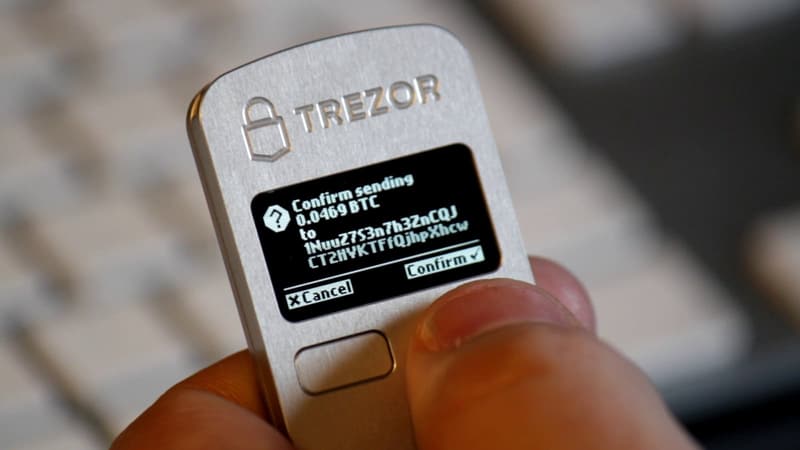
Representative photo · Photo: The original uploader was Ladislav Mecir / Wikimedia Commons, CC BY-SA 3.0
Hardware wallet manufacturers like Trezor face tough cryptographic trade-offs and complex state tracking challenges as they prepare Bitcoin for a post-quantum future.
This is news, not investment advice. NexVani Media is not a SEBI-registered investment adviser and does not recommend buying or selling any security. Do your own research or consult a registered adviser before investing.
Hardware wallet manufacturers are facing difficult technical hurdles while preparing physical security devices for a post-quantum era, according to industry experts discussing why the path to quantum resistance runs uphill for Bitcoin wallet makers. Custody has always carried inherent risks, but upcoming cryptographic transitions introduce entirely new challenges for developers building offline storage solutions.
The community's leading candidate for a post-quantum signature scheme is known as SHRINCS. Proposed late last year by Blockstream Research Director Jonas Nick and cryptographer Mikhail Kudinov, the approach utilizes a composite hash-based framework that allows users to execute transactions using either stateless or stateful signatures.
While stateless signatures are much larger and can impact transaction fees and processing speeds, they remain entirely safe to reuse. Conversely, smaller and more efficient stateful signatures carry significant security risks if they exceed a specific signing budget. Because the stateful component relies on a tree of one-time signatures, accidental reuse exposes enough cryptographic information for malicious actors to forge signatures and steal user funds.
Maintaining strict state tracking for post-quantum signatures introduces complex security challenges for hardware wallet developers.
If the network adopts this scheme, maintaining precise counts of wallet states will become a vital responsibility for developers. Trezor CTO Tomáš Sušánka noted during a recent interview that this setup risks placing burdensome technical requirements on everyday users. To mitigate these risks, the hardware manufacturer is evaluating user experience options, such as making heavier stateless signatures the default setting while placing the riskier stateful alternative behind advanced configurations.
Sušánka also pointed out that hardware devices themselves will require physical updates for comprehensive quantum protection. Most current signing devices utilize quantum-vulnerable cryptography for internal security mechanisms, including firmware validation and device authentication. Consequently, users will eventually need quantum-ready hardware that applies post-quantum cryptography to these underlying authentication processes.
Why it matters
This transition impacts how hardware wallet manufacturers design secure physical devices and manage complex cryptographic trade-offs ahead of future network upgrades. Developers must carefully balance efficiency metrics and user experience to ensure millions of users can migrate securely without risking accidental fund exposure.
Sources
More like this

Binance Covers $6.34 Billion Hack Using Company Funds

Bitcoin and Ethereum Price Decline as Market Selloff Erases Billions
Proposed XRP Ledger V1.1 Rules Introduce Closed-Ended Lending Vaults