
Seattle Council Upholds Mayor’s Veto on Homeless RV Permitting
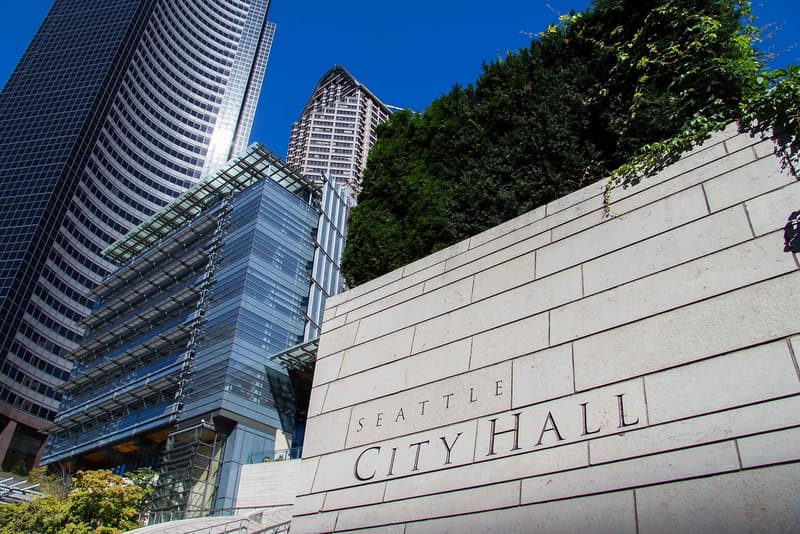
Representative photo · Photo: Seattle City Council from Seattle / Wikimedia Commons, CC0
The Seattle City Council failed to override the mayor's veto on an RV permitting system designed for homeless individuals.
The Seattle City Council rejected a vote on Thursday to override a mayoral veto regarding an RV permitting system for homeless individuals that the dais had passed just a few weeks prior. Councilmember Rob Saka joined Councilmembers Alexis Mercedes Rinck, Eddie Lin and Dionne Foster in opposing the override after previously voting for the legislation last month. Mayor Katie Wilson vetoed Councilmember Dan Strauss' program with Saka's support despite his criticism of her proposed budget cuts.
When asked about the timing of the vote, Rinck explained that the council believed the city charter required them to act on a veto within 30 days regardless of the outcome. Meanwhile, public safety chair Bob Kettle argued that the community needed to address the impact of parked recreational vehicles. Supporters of the bill argued that sustaining the veto only delayed taking action and maintained the status quo.
The vetoed bill was part of a larger six-part package known as the Vehicle Resident Assistance Program. While Wilson signed the other parts of the legislation, she rejected the vehicle permitting system, citing high implementation costs, complexity, and potential legal liability for the city. The administration estimated the program would cost around $10 million in 2027 and stated a preference for cost-effective results.
Seattle City Council fails to override mayoral veto on homeless RV permitting.
The rejected program would have established an RV permitting system based on a one-time citywide census and included accountability measures such as designated parking zones. Under the proposed rules, individuals who turned down housing services six times could have faced permit revocation and vehicle towing. Saka defended his initial support as a refusal to accept inaction while emphasizing his goal to find the best path forward.
Wilson redirected funds to expand homeless outreach and expedite a safe lot for RVs, with a work group planning to offer alternatives within 60 days. A coalition of council members supported the override, arguing that the city must address vehicle homelessness immediately. Wilson commended the council's decision in a press release, stating that the program would have exposed the city to legal risks without successfully addressing neighborhood impacts.
Why it matters
The decision prevents the implementation of a complex municipal vehicle permitting system and leaves existing enforcement and outreach strategies in place. This outcome impacts unhoused vehicle residents, local neighborhoods affected by parking congestion, and city resource allocation.
Seattle council agenda
The legislative debate highlights ongoing challenges in balancing community safety, legal liability, and support for vulnerable populations within municipal governance.
Sources
More like this
UK-EU deal will bring growing pressure for parliament scrutiny

What's Next for the ANC After Historic Local Election Losses in South Africa

Victoria Election: Labor and Greens Clash Over Preferences
