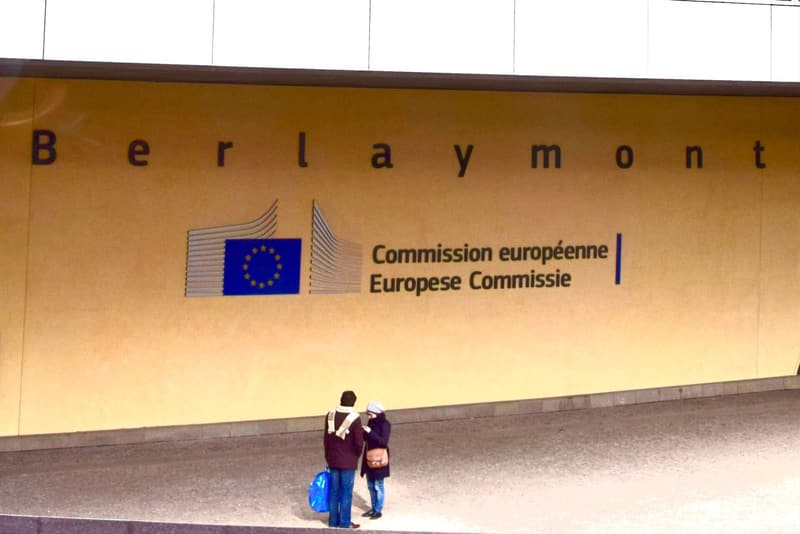
Several companies use Trump tariff refunds for executive bonuses
Representative photo · Photo: Holly Higgins / Wikimedia Commons, CC BY 2.0
An investigation reveals that multiple firms are using tariff refunds to fund corporate bonuses rather than reimbursing customers for previous price hikes.
An investigation by ProPublica has uncovered that several companies—a term whose meaning in hindi and other languages often denotes a group of more than two but not many—are utilizing refunds from Donald Trump’s tariffs to pay for corporate bonuses. While many of these firms previously cited the import fees as the primary reason for raising prices on household goods, financial disclosures indicate these recovered funds are being diverted to leadership incentives instead of consumer relief.
After reviewing earnings calls and securities filings, researchers identified at least nine companies receiving these reimbursements. Among them is Stanley Black & Decker, a manufacturer of vacuums and power tools, which is expected to receive at least $298 million. The company noted in financial disclosures that the refund was partially offset by costs related to variable incentive compensation. Similar actions were noted at discount retailers TJMaxx and Marshalls, though these companies did not respond to requests for comment.
Companies are using tariff refunds for executive bonuses instead of reimbursing consumers for price hikes.
The legal background of several tariff refunds
The Trump administration has issued at least $100 billion in refunds since August. This follows a Supreme Court ruling that deemed the "Liberation Day" tariffs unlawful, concluding that the administration had overstepped its executive authority by bypassing congressional approval. Although many companies immediately pursued legal action to recover these costs, the former president had previously signaled that he would track which firms requested reimbursements.
While some businesses have publicly committed to using the funds to benefit customers, these are largely firms that operate in business-to-business sectors rather than those selling directly to the public. Many consumer-facing brands remain vague about whether the money will be used to lower prices or simply to prevent future increases. Research from the New York Federal Reserve suggests that approximately 26% of tariff costs were passed on to consumers, with the Yale Budget Lab estimating an annual cost of $900 per household.
Why it matters
This development highlights a disconnect between the economic impact on households and corporate financial strategy. For many voters, these tariffs became a symbol of inflationary pressure, with surveys indicating that a majority of Americans felt the policies contributed to rising costs. The revelation that refunds are funding executive bonuses rather than offsetting these costs may further influence public perception of economic policy and corporate accountability.
For readers in India and South Asia, this situation underscores the complexities of global trade policies. As international corporations navigate shifting regulatory environments and legal challenges, the movement of capital—whether through tariffs or subsequent refunds—can have significant implications for global supply chains and the pricing of household goods in emerging markets.
Sources
More like this
Prime Minister Carney explores Chinese partnerships for Canadian auto sector
Firms cite high costs as barrier to hiring under-25s; could Milburn's plan help?
Nvidia Establishes National Security Committee Following Jensen Huang Scandal