EU and ASEAN Trade Ties Face Hurdles Despite Potential 2027 Breakthrough
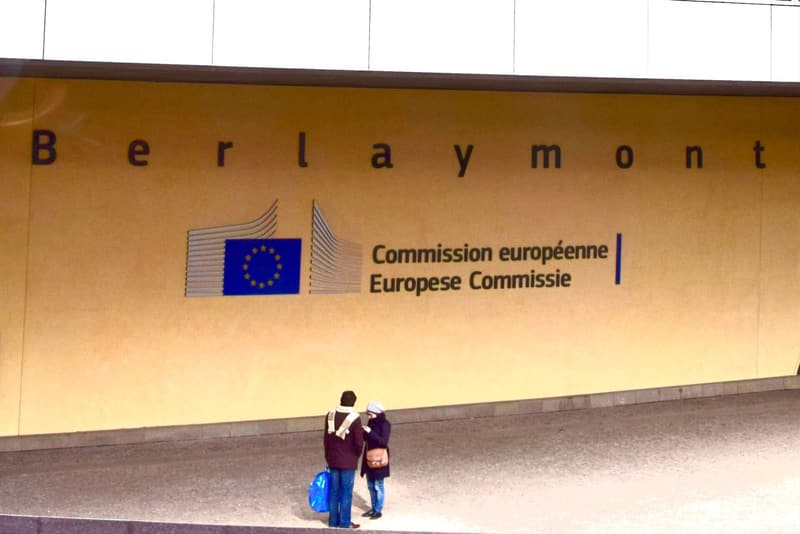
Representative photo · Photo: Ank Kumar / Wikimedia Commons, CC BY-SA 4.0
As the EU and ASEAN approach 50 years of diplomatic relations, trade deals are expanding, but experts warn that informal barriers remain a significant challenge for businesses.
The European Union and the Association of Southeast Asian Nations, known as ASEAN, are moving toward a potential milestone in 2027 as they mark five decades of diplomatic ties. While the EU currently has trade agreements with only two member states, that number could rise to six by the end of next year. A long-awaited deal with Indonesia is expected to take effect, while negotiations with Thailand and Malaysia are advancing and a pact with the Philippines is nearing completion.
Overcoming trade barriers
Despite the progress in signing Free Trade Agreements (FTAs), experts suggest that the real challenge lies in implementation. Chris Humphrey, executive director of the EU-ASEAN Business Council, noted that finalizing agreements is merely the first step. He emphasized that communication and training are vital, as businesses often struggle to navigate the complexities of these deals. Without practical guidance, the reduction of tariffs and trade restrictions may fail to yield tangible results for companies.
Brussels is now being urged to focus on less conspicuous obstacles, such as customs delays and regulatory hurdles. Alfred Gerstl, an associate professor at Palacky University Olomouc, highlighted that European firms, particularly smaller ones, require firsthand support to understand local business practices and unwritten rules in Southeast Asia. Suggestions to improve this include expanding the role of trade delegations and chambers of commerce to assist with licensing and distributor identification.
Successfully implementing trade deals requires addressing informal barriers and providing practical support to businesses.
Trade policy has also taken on a geopolitical dimension as the EU seeks to secure supply chains for clean technologies. The bloc is looking to reduce its reliance on a limited number of suppliers for battery minerals, while nations like Indonesia are prioritizing the development of domestic processing industries. This dynamic has led to tensions, such as the disagreement over Indonesian nickel export restrictions. Researchers suggest that increased investment in processing facilities and clear environmental standards could provide mutual benefits, moving beyond simple market access to create long-term leverage.
Furthermore, legal experts like Pasha Hsieh of Singapore Management University have called for the ratification of existing investment protection agreements with Singapore and Vietnam. These agreements, signed years ago, remain stalled pending approval from all EU member states, creating uncertainty for investors in a region where some bilateral treaties have been terminated.
Why it matters
The 2027 anniversary could serve as a catalyst for reviving the long-standing ambition of a region-to-region trade agreement between the EU and ASEAN. This shift would impact how European and Southeast Asian businesses interact, potentially simplifying trade for firms operating across the bloc. For stakeholders, the focus on practical implementation and regulatory certainty is essential to ensuring that these high-level political agreements translate into actual economic growth.
Sources
More like this
Deutsche Bank Faces Scrutiny Over Alleged Compliance Failures and Risky Clients
Santander UK allows staff to count leave as office attendance
Ikea Halts UK Store Expansion Plans Citing High Business Tax Costs