Singapore Life Insurance Payouts Top S$15 Billion in First Nine Months of 2026
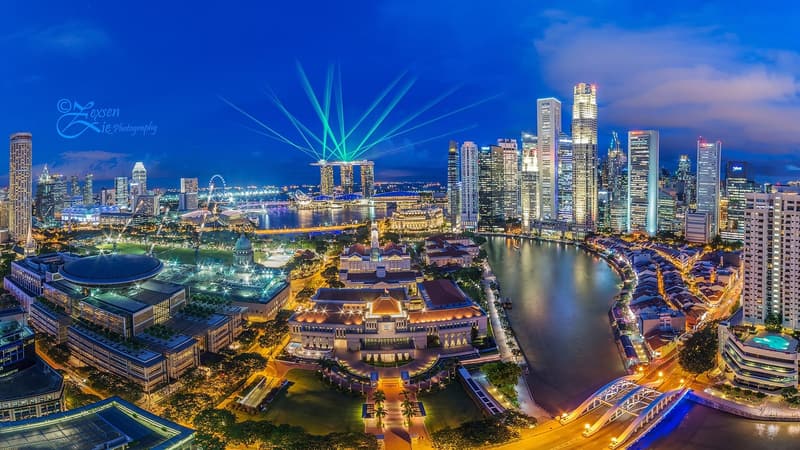
Representative photo · Photo: Zexsen Xie / Wikimedia Commons, CC BY 2.0
Life insurers in Singapore distributed over S$15 billion in claims and maturity benefits between January and September 2026, driven largely by policy maturities.
Life insurers in Singapore have reported a significant period of activity, with total payouts exceeding S$15 billion during the first nine months of 2026. This data, released by the Life Insurance Association of Singapore (LIA), highlights the scale of the Singapore Life sector as it continues to support policyholders through various claims and maturity benefits.
Maturity benefits accounted for three-quarters of all insurance payouts during the first nine months of 2026.
Maturity benefits represented the largest portion of these disbursements, totaling S$11.2 billion, or approximately 74 per cent of the overall payouts. Following these, individual health insurance claims reached S$2.2 billion. Within the health insurance category, Integrated Shield Plans (IPs) and their associated riders were the primary drivers, contributing S$2.1 billion to the total. Furthermore, individual life policies covering death, critical illness, and total permanent disability resulted in S$1.7 billion in payouts, with critical illness claims specifically accounting for S$756 million.
Growth in New Business Premiums
The industry also experienced a 15 per cent year-on-year increase in total weighted new business premiums, reaching S$5.5 billion for the nine-month period. LIA attributed this growth to strong economic momentum. Investment-linked policies (ILPs) have become an increasingly prominent feature of the market, rising 22.6 per cent year on year to S$2.5 billion. By the third quarter of 2026, ILPs accounted for 49.7 per cent of new business weighted premiums.
LIA Singapore president Wong Sze Keed noted that the rising share of ILPs indicates that consumers are balancing protection needs with a greater focus on investment and savings. The association is currently collaborating with the Monetary Authority of Singapore to improve disclosures via product highlight sheets, ensuring customers have a clearer understanding of the costs and benefits associated with these policies. Additionally, participating policies saw a 5.7 per cent year-on-year rise in premiums to S$1.2 billion, though their overall share of new business premiums decreased to 23 per cent.
Looking ahead, the industry plans to continue reviewing its critical illness framework. Wong emphasized the importance of aligning insurance responses with medical advancements and the evolving nature of treatments, while maintaining a balance to ensure that protection remains affordable and accessible for the long term. As of September 2026, approximately 3.4 million people in Singapore were covered by individual health insurance plans.
Why it matters
The surge in payouts underscores the vital role of insurance in providing financial stability to millions of residents. For policyholders, the industry's commitment to refining health coverage and critical illness definitions is essential as medical care evolves.
For the broader financial sector, the shift toward investment-linked products highlights changing consumer priorities. As insurers work to enhance transparency, these developments provide a benchmark for financial institutions regionally, reflecting a global trend of integrating long-term savings with traditional risk protection.
Sources
More like this

THC drink companies rush to sell inventory as Illinois THC drink ban takes effect

UK Car Industry Seeks Two-Year Delay to Brexit EV Tariffs
UK Economic Growth Surprises with Strong Performance in Third Quarter