UK Economic Growth Surprises with Strong Performance in Third Quarter
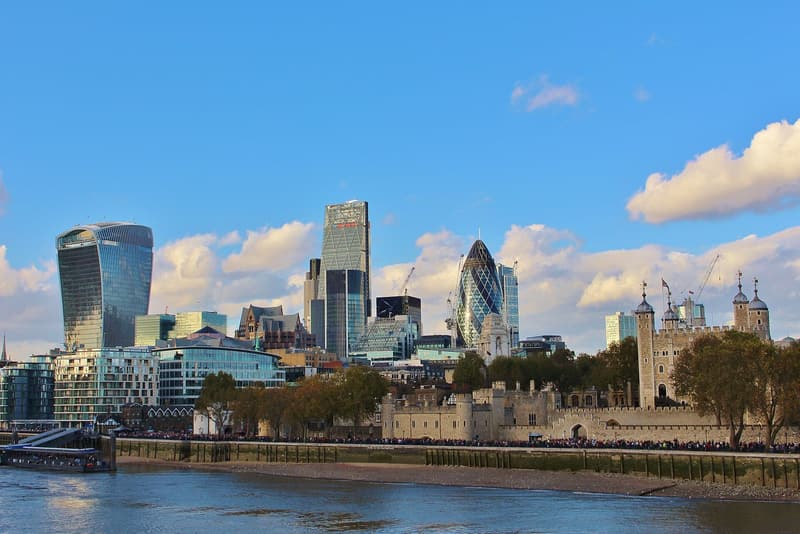
Representative photo · Photo: traveljunction / Wikimedia Commons, CC BY-SA 2.0
The UK economy experienced its fastest growth in over two years, outperforming analyst expectations and positioning the nation as a leading G7 performer.
The UK economy has demonstrated unexpected resilience, recording its fastest growth rate in over two years during the third quarter. While Faisal Islam has examined the broader context of these figures, analysts tracking the nation's performance have described the 0.7% growth as strikingly strong. This result represents a significant departure from previous periods of stagnation and challenges the prevailing narrative of economic decline.
Recent data indicates that the UK is currently on track to become the second-fastest growing economy among the G7 nations, trailing only the United States. This performance is particularly notable given the global disruptions to energy supplies, rising borrowing costs, and the challenging economic environment that has persisted since the pandemic. The figure is a marked improvement from the average growth of less than 0.1% seen in the third quarters of previous years and significantly exceeds the 0.3% forecast by the Office for Budget Responsibility just weeks ago.
The UK economy achieved its strongest growth in two years, outperforming most G7 nations despite global pressures.
Drivers of Growth and Market Sentiment
Much of the recent economic momentum has been attributed to increased investment in technology and artificial intelligence. While the sustainability of the data centre boom remains a point of discussion, current spending patterns suggest that businesses are actively investing in digital infrastructure. Additionally, private sector business investment and productivity levels have shown signs of strengthening, supported by a resilient consumer base that remained active through the autumn.
Confidence in the UK's economic standing is further reflected in the value of sterling, which reached its highest level since the Brexit referendum last week. Despite these positive indicators, experts caution that this growth does not signal a boom. The final months of the year may face headwinds, as consumer confidence has already begun to dip in response to rising domestic energy and petrol prices. Furthermore, the construction and private house-building sectors remain under pressure, and the ongoing conflict in the Gulf continues to represent a significant global uncertainty.
Why it matters
The current economic data suggests a potential shift in the UK's trajectory, moving away from a period of self-reinforcing negativity. However, the sustainability of this growth remains uncertain due to persistent cost-of-living pressures and geopolitical instability.
For international observers, including those in India and South Asia, the UK's performance highlights the impact of technology-led investment on national recovery. The government's focus on resolving international conflicts is now being framed as a primary economic policy, as stability in oil and gas production could play a crucial role in lowering energy and borrowing costs for the global economy.
Sources
More like this

Metro Bank Considers Sale Following Recovery Efforts

College Students and Baristas Rally for Starbucks Boycott

Burberry Returns to Profitability as Sales Grow in China and the US