Escalating Tensions Between US and Iran Raise Fears of Full-Scale Conflict
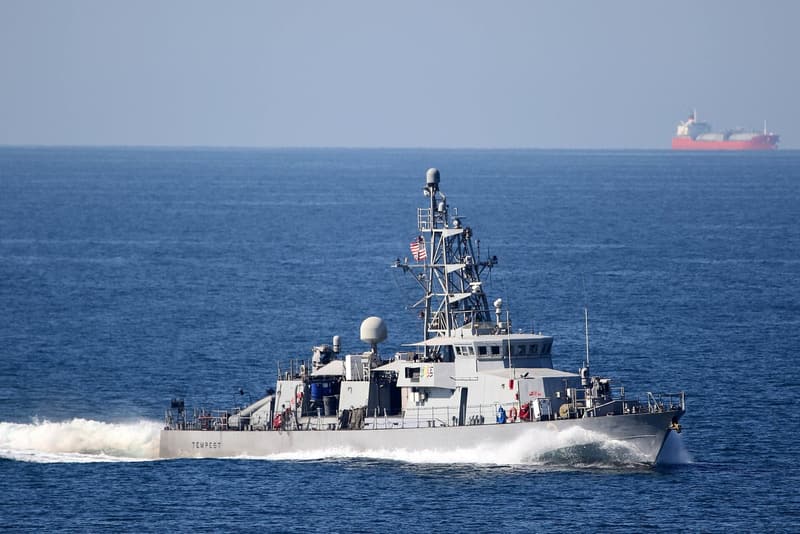
Representative photo · Photo: Official U.S. Navy Page from United Stat / Wikimedia Commons, Public domain
Recent military exchanges between US and Iranian forces have pushed the region toward instability, with analysts warning that the current status of the Iran-US war could rapidly escalate into a broader conflict.
The ongoing status of the Iran-US war remains highly volatile as both nations continue to exchange military strikes. While both Washington and Tehran appear to be avoiding a return to the full-scale conflict that began in February, analysts warn that the current situation is inherently unstable and could escalate at any moment, potentially drawing Israel back into the fray.
Recent hostilities have seen Iranian forces target military installations in Bahrain and Kuwait, which Tehran views as complicit in US-led strikes on southern Iran. The Islamic Revolutionary Guard Corps (IRGC) recently deployed explosive-laden drones toward the Riffa Air Base in Bahrain and the Ali Al Salem Air Base in Kuwait. These actions follow persistent US strikes on Iranian radar and military sites, including repeated attacks on Qeshm Island and coastal ports.
The precarious status of the Iran-US war risks escalating into a full-blown regional conflict.
Testing red lines in the Gulf
Experts suggest these tactical exchanges are part of a broader strategy. Andreas Krieg, an associate professor at King’s College London, noted that Iran is probing American red lines to determine the limits of military confrontation. By targeting assets in Gulf states, Tehran aims to increase the economic and political costs of the US-led blockade. Meanwhile, the US maintains that its naval blockade is successfully preventing Iranian crude oil exports, though Iran continues to utilize alternative shipping routes to reach markets like China.
Tehran-based analyst Mohammad Eslami argues that Iran intends to degrade US military assets until a political agreement is reached. He claims the US administration lacks a clear strategy, describing current measures as indecisive. Conversely, the US government remains divided on its approach, with some officials advocating for a more aggressive stance to force a change in Iranian policy.
As mediators from Qatar and Pakistan struggle to bridge the divide, both sides remain entrenched in their positions. Iranian officials, including the IRGC’s Yadollah Javani, have signaled that they are prepared for further escalation, while US military leaders continue to monitor the region with increased vigilance following the arrival of additional naval strike groups in the Arabian Sea.
Why it matters
The ongoing instability in the Strait of Hormuz directly threatens global energy security and shipping lanes. For nations in South Asia, including India, the disruption of oil transit and the potential for a wider regional war pose significant risks to energy imports and economic stability.
Sources
More like this

Donald Trump Reunites With Imelda Marcos During Philippines Visit
Israeli Forces Launch New Military Operation in Central Gaza
Israeli Court Extends Detention of Gaza Hospital Director Hussam Abu Safia