
Tankers Hit in Strait of Hormuz as Drone Raises Alarm at Iraq Gas Field
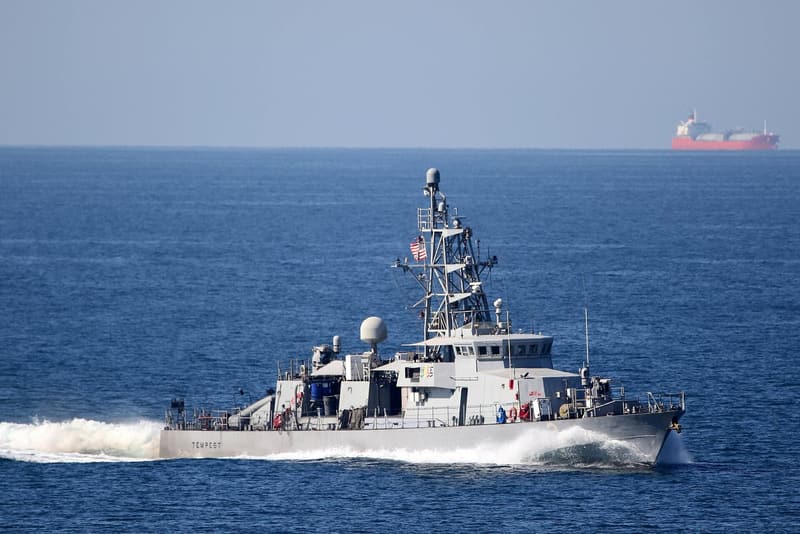
Representative photo · Photo: Official U.S. Navy Page from United Stat / Wikimedia Commons, Public domain
Recent maritime attacks in the Strait of Hormuz and a drone alert at an Iraqi gas facility heighten regional energy security concerns amid US-Iran tensions.
Recent developments involving oil tankers strait of hormuz and regional energy sites have heightened worries over critical infrastructure security. Ongoing friction between Washington and Tehran persists despite diplomatic initiatives to resolve their dispute.
Tankers Hit in Strait of Hormuz
Iran's Islamic Revolutionary Guard Corps Navy reported that two oil tankers struck naval mines while navigating an unauthorized southern route through the strait, catching fire on Monday. Simultaneously, the regular Iranian navy stated a third tanker was immobilized after hitting a mine in restricted eastern waters. Independent verification of these assertions was unavailable, and Iranian officials did not disclose the identities of the ships.
The United Kingdom Maritime Trade Operations agency documented two distinct incidents on Monday. In one occurrence, a vessel suffered severe engine room damage seven nautical miles north of Khasab, Oman. Earlier, a separate ship was struck by an unidentified projectile exiting the channel, igniting an engine room fire without causing casualties. Authorities have not confirmed any links between these events and the mine strikes reported by Tehran.
These maritime disruptions follow numerous similar security threats. The International Maritime Organization logged 136 vessel incidents within the strait and broader Middle East between March 1 and November 11, including 35 occurrences during October alone.
Security Alert at Iraqi Gas Infrastructure
Maritime shipping threats coincided with a fresh alert regarding energy assets on land. Warning sirens activated after a drone flew across the Khor Mor gas facility in northern Iraq's Kurdistan region, according to security personnel cited by Reuters. Although no immediate impact or structural damage was reported from this overflight, production at the site had already been suspended following a prior suspected drone strike that sparked a fire and disrupted local power generation.
Dana Gas, an operator of the facility, noted that the earlier incident affected electricity generation capacity. The site is a primary natural gas supplier for the Kurdish region's power grid, and previous strikes have been attributed by local authorities to armed factions backed by Iran. No specific group claimed responsibility for the recent drone activity.
Military Reinforcements and Diplomatic Stalls
These security events unfolded as the United States bolstered its regional military presence. The aircraft carrier USS Theodore Roosevelt arrived in the area, marking the third American carrier operating under the US Central Command. This deployment occurs as diplomatic efforts remain stalled regarding the ongoing conflict and the reopening of vital shipping lanes.
Regional energy infrastructure faces heightened threats following tanker mine strikes and a drone alert.
Why it matters
The convergence of maritime shipping disruptions and security alerts at major energy production facilities threatens stable fuel supplies and regional power generation. For global markets and local populations alike, these ongoing security challenges underscore the fragility of critical infrastructure during periods of elevated geopolitical friction.
Sources
More like this
Yemeni Army Reports 661 Attacks as Group Advances Towards Aden

Irish Court Sentences Man to Life for Dublin Knife Attack

Ethiopia Moyale Clashes Deepen Border Crisis and Disrupt Livelihoods
