Can Tehran survive a zero oil budget amid persistent US blockade?
Representative photo · Photo: Salehi1990mohsen / Wikimedia Commons, CC BY-SA 4.0
Iran is bracing for a potential future with zero oil revenue as US-led sanctions and a naval blockade intensify economic pressure on the nation.
The administration of United States President Donald Trump has shifted its strategy toward Iran, moving from intermittent conflict to a policy of sustained economic pressure. As the US enforces a naval blockade and stringent sanctions, observers wonder if Tehran can survive a ‘zero oil’ budget if the current geopolitical standoff continues indefinitely. US Secretary of State Marco Rubio recently informed G7 counterparts that the blockade of Iranian ports and disruption of land borders could persist without a clear end, predicting further economic deterioration for the country in the coming months.
Tehran-based economist Isaac Saidian warned that a collapse in oil income would present one of the most significant challenges in Iran’s recent history. The government faces the difficult task of maintaining salaries, pensions, and essential goods while preventing budget deficits from triggering further inflation. While authorities maintain that economic collapse is not imminent, they are actively preparing for a worst-case scenario where oil revenues reach zero. President Masoud Pezeshkian’s administration has drafted a budget directive for the upcoming year that accounts for both the continuation of the blockade and the possibility of improved trade conditions.
Iran faces a severe fiscal crisis as US-led sanctions and a naval blockade threaten to eliminate oil revenue.
The impact of the blockade
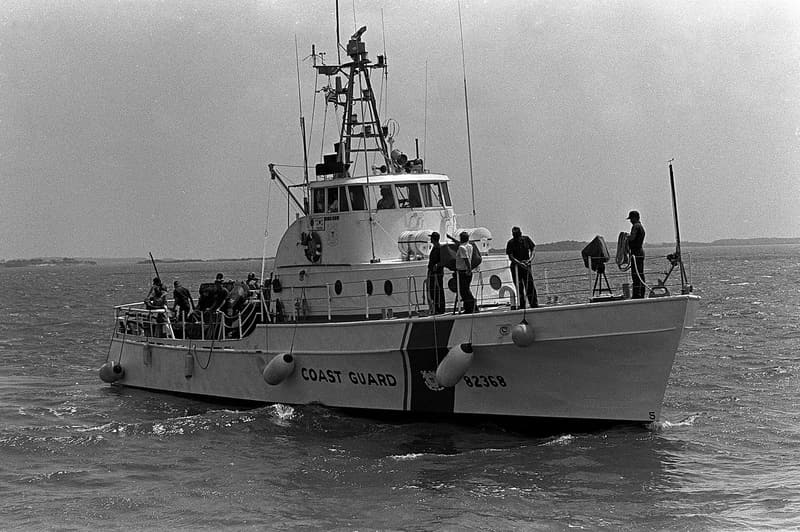
The US military has been enforcing a naval blockade of southern Iranian ports since mid-July, following the breakdown of earlier agreements. According to the US Treasury, these measures have successfully halted oil loading onto vessels since late August. Data from Kpler indicates that Iranian oil production has dipped below 2 million barrels per day, a sharp decline from the 3.5 million barrels produced earlier this year. Furthermore, the US is implementing a new task force aimed at disrupting land borders with neighboring countries, further isolating the Iranian economy.
Economists suggest that if oil revenues vanish, the government must pivot toward structural reforms. This includes reducing public spending on overlapping administrative bodies, reforming tax exemptions, and managing bond issuance. However, officials acknowledge that austerity measures, such as reducing fuel subsidies, will likely increase prices for the public. With year-on-year inflation already nearing 89 percent as of late October, the administration faces a delicate balance between maintaining fiscal discipline and preventing a deeper slide into poverty for its citizens.
Why it matters
The ongoing economic siege threatens to erode Iran’s middle class and weaken the nation’s productive capacity. By forcing the government to rely on internal resources, the crisis risks widening poverty and leaving the country’s economic future increasingly uncertain for the next generation.
Sources
More like this

Clashes in Barcelona as Thousands Join Spain General Strike

British soldier charged with rape of army servicewoman in Cyprus
UN Warns Over One Million People in Lebanon Face Acute Food Shortages