Russia Bans Two French Lawmakers and Two Journalists in Tit-for-Tat Move
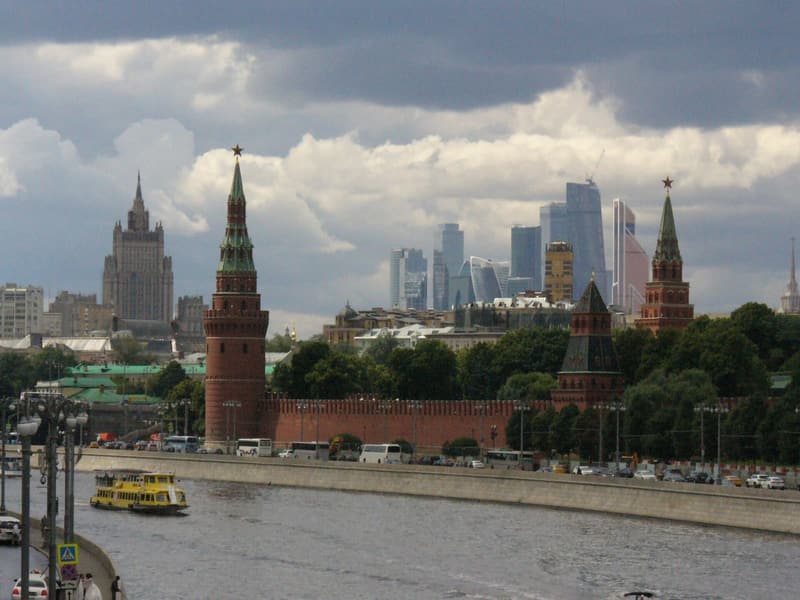
Representative photo · Photo: Mia Primavera / Wikimedia Commons, CC0
The Kremlin has blacklisted four French citizens following the expulsion of a pro-Kremlin media figure from France earlier this year.
The Russian government has imposed entry bans on two French lawmakers and two journalists, marking a significant escalation in the ongoing diplomatic tension regarding Russia French relations. Foreign Ministry spokeswoman Maria Zakharova announced on Wednesday that lawmakers Sacha Houlie and Arthur Delaporte, along with journalists Paul Gogo and Ariane Chemin, are now prohibited from entering the country.
This decision serves as a retaliatory measure following the July expulsion of Xenia Fedorova, the former head of RT France, from French territory. French Interior Minister Laurent Nunez had ordered her removal, accusing her of acting as an agent of influence and disseminating Russian propaganda intended to undermine the fundamental interests of the nation. Fedorova, who has contributed to right-wing French media outlets, has rejected these claims, characterizing the action as censorship. Moscow had repeatedly signaled its intention to respond to what it described as the persecution of its media representatives.
Russia has blacklisted four French citizens in response to the earlier expulsion of a pro-Kremlin commentator.
Impact on Russia French relations
The targeted individuals have reacted to the blacklisting with defiance. Sacha Houlie, a French lawmaker, stated on the social media platform X that the sanction serves as recognition of his efforts to combat foreign interference. He highlighted his work on the Parliamentary Intelligence Delegation and his role in passing legislation aimed at curbing such influence, which included the efforts that led to Fedorova’s expulsion.
Since the initiation of the full-scale invasion of Ukraine in February 2022, Moscow has frequently utilized entry bans against Western officials and media personnel. This latest move highlights the broader, long-standing friction between Russia and the European Union, as Brussels and various member states continue to restrict state-backed Russian media outlets, labeling them as instruments of Kremlin propaganda. The Russian Foreign Ministry has consistently expressed frustration over these European constraints, framing the retaliatory bans as a necessary response to the perceived targeting of its media apparatus.
Why it matters
This move deepens the diplomatic rift between Paris and Moscow, signaling that Russia remains committed to a tit-for-tat policy regarding the treatment of its media figures and political representatives. The bans effectively limit the ability of these specific French figures to engage in any future dialogue or diplomatic travel involving Russia.
For the international community, this development underscores the deteriorating state of communication between Russia and Western nations. While the impact is primarily felt in Europe, it serves as a broader indicator of how geopolitical tensions are increasingly leading to the isolation of officials and journalists, further complicating the already strained international landscape.
Sources
More like this
Morgan McSweeney Calls for Reform of UK Prime Ministerial Powers
Will the US Blue Wave Signal a Turning Point for Europe?
Tundu Lissu Sentenced to Four Years in Prison Following Treason Trial