Thalinomics: Why India's rural households are facing a steeper food price pinch
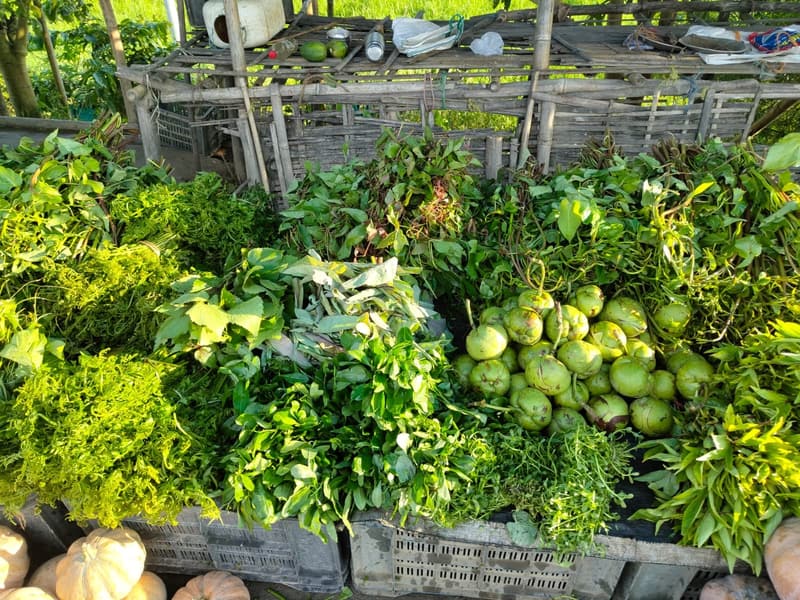
Representative photo · Photo: Rijushna Gogoi / Wikimedia Commons, CC BY-SA 4.0
Rural India is experiencing higher food inflation than urban areas, placing significant strain on household budgets as essential grocery prices continue to climb.
The latest economic data reveals a deepening divide in the cost of living across the country, a phenomenon often analyzed through the lens of Thalinomics. According to the Ministry of Statistics and Programme Implementation (MoSPI), rural India is currently bearing a heavier burden from rising food prices compared to urban centers. In October 2026, rural food inflation surged to 9.09% year-on-year, outpacing the 8.68% increase recorded in urban regions.
This trend marks a significant reversal from the start of the year. In January 2026, rural food inflation stood at 1.96%, lower than the 2.44% observed in urban areas. However, by March, this dynamic shifted, and the gap has consistently widened as food-price pressures intensified. The broader retail inflation figures mirror this trend, with rural headline inflation reaching 6.63% in October, compared to 5.41% in urban areas.
Rural households are hit harder by food inflation because food represents a larger share of their total spending.
The impact of rising costs
The financial pressure is driven by sharp spikes in specific kitchen essentials. Onion prices recorded a staggering 116.22% inflation rate in October, while garlic and ginger saw increases of 60.74% and 48.32%, respectively. While some items like potatoes and cauliflower saw price declines, these were insufficient to offset the broader inflationary trend. The Household Consumption Expenditure Survey 2023-24 highlights why this matters: rural households allocate approximately 47% of their monthly expenditure to food, compared to nearly 40% for urban families. With a higher percentage of their income tied to basic nutrition, rural families have significantly less flexibility to absorb price shocks.
Regional data further illustrates the uneven nature of this inflation. Several southern states are reporting particularly high figures, with Andhra Pradesh leading at 13.23%, followed by Tamil Nadu at 12.37% and Karnataka at 12.16%.
Why it matters
The acceleration of food inflation reduces the disposable income available for non-essential spending. For rural households, this means less money for consumer durables and personal goods, potentially dampening demand in rural markets. As retail inflation climbs, the persistent gap between rural and urban costs underscores a growing challenge for household financial stability across India.
Sources
More like this

Gas starts flowing from Jackdaw after government green light

Tunstall Thrift Shop Asks Donors to Choose Monthly Charities

Cycle Shop Owner Considers Closure After Break-In