Trinidad and Tobago Anti-Homosexuality Act Laws Overturned by UK Court
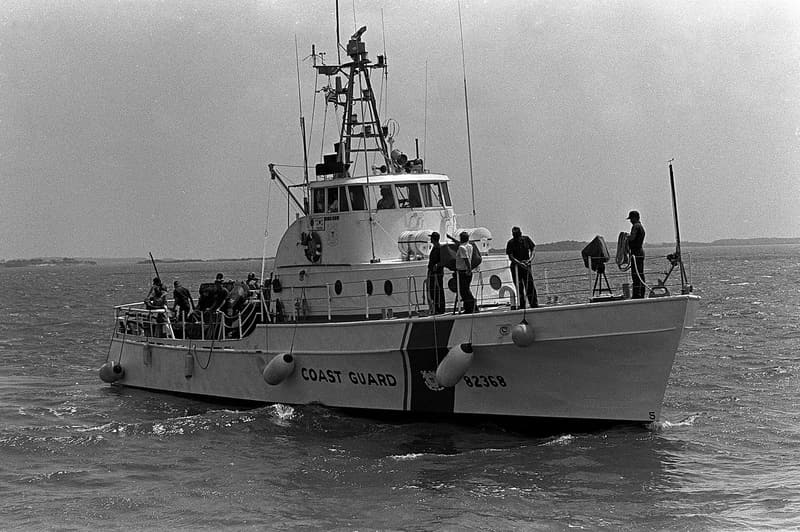
Representative photo · Photo: Itrydisrespxtsmtsep / Wikimedia Commons, CC0
The Judicial Committee of the Privy Council has struck down colonial-era laws that criminalized same-sex intimacy in Trinidad and Tobago.
The Judicial Committee of the Privy Council (JCPC) in London has issued a historic ruling, overturning laws that criminalized same-sex intimacy in Trinidad and Tobago. As the Caribbean nation's final court of appeal, the JCPC determined that these statutes, which were rooted in colonial-era British legislation, failed to align with the fundamental individual right to respect for private and family life. This development marks a significant legal shift for the country, which was previously among 34 Commonwealth nations maintaining such prohibitions. Many of these regions have faced intense scrutiny regarding their own versions of an anti-homosexuality act.
Challenging the anti-homosexuality act
This landmark decision concludes an 11-year legal struggle led by Jason Jones, a 62-year-old dual citizen. Jones initially secured a victory in the Trinidadian High Court in 2018, though that ruling was subsequently overturned following an appeal by the government. Throughout the proceedings, the Attorney General of Trinidad and Tobago defended the legislation by citing "savings law clauses," which were intended to preserve existing British laws during the transition to independence. However, legal representatives for Jones argued that these protections were invalidated by government amendments made in 1986, which introduced harsher penalties for consensual same-sex acts.
In his delivery of the judgment, Lord Sales emphasized that the laws could not be considered reasonably justifiable in a society that respects individual rights and freedoms. Under the previous framework, individuals engaging in consensual same-sex intimacy faced potential imprisonment, with some interpretations of the law allowing for the death penalty. Following the ruling, Jones expressed that the laws had never accurately represented the nation's identity as a diverse and secular society. His lawyer, Anand Ramlogan SC, described the outcome as a monumental victory for equal dignity and human rights.
The UK's Privy Council has decriminalized same-sex intimacy in Trinidad and Tobago, ending colonial-era legal prohibitions.
Why it matters
This ruling is the first time the JCPC has decided on a case to decriminalize same-sex intimacy, setting a precedent that campaigners hope will influence similar legal challenges across the Commonwealth. By invalidating these laws, the court has removed a significant barrier to equality for LGBTQ+ individuals in Trinidad and Tobago, who were previously classified as criminals under the state's legal code. The decision highlights the ongoing global debate regarding the legacy of colonial-era statutes and their impact on modern human rights frameworks.
Sources
More like this
Clashes in Barcelona as Thousands Join Spain General Strike
British soldier charged with rape of army servicewoman in Cyprus

UN Warns Over One Million People in Lebanon Face Acute Food Shortages