Inside Denmark: The Legal Battle Over 'Parallel Societies' Housing Laws
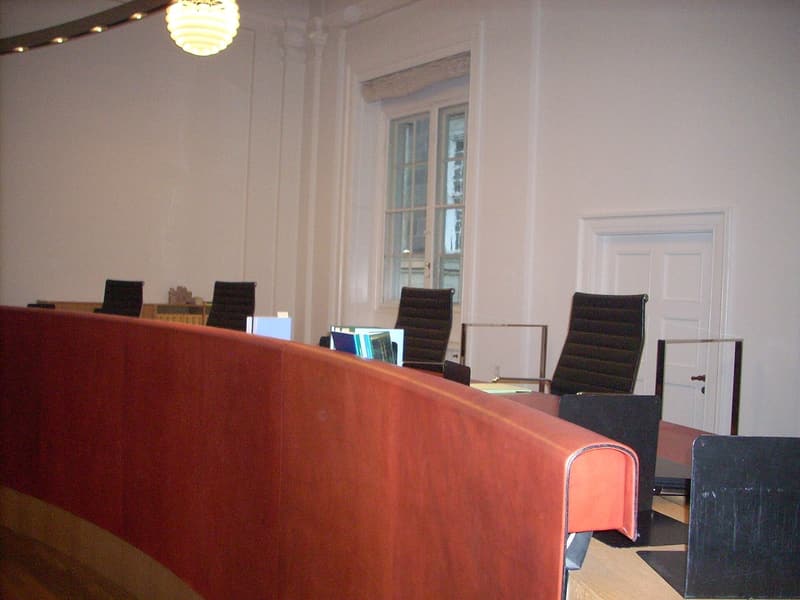
Representative photo · Photo: TorbenTT / Wikimedia Commons, CC0
Denmark’s Supreme Court is reviewing a controversial housing law that critics argue discriminates against residents based on their ethnic background.
In the multicultural district of Norrebro, Copenhagen, residents are closely watching a legal challenge that could redefine the nation's approach to social housing. Many wonder what it is like inside Denmark, a country currently grappling with the implications of its so-called “ghetto law.” This legislation, which targets areas with high concentrations of “non-Western” residents, is now under scrutiny by the Supreme Court.
At the heart of the case are seven families from the Nojsomhed estate in Helsingor. They are challenging their former landlord, Boliggarden, after their estate was placed on a government list in 2020. The law mandates that nonprofit housing areas where more than half of the residents are classified as “non-Western” must reduce their family housing stock to 40 percent by 2030 through sales, demolition, or conversion. Critics, including the families' lawyer Eddie Khawaja, argue that the "non-Western" categorization serves as a proxy for ethnic origin, potentially amounting to discrimination.
The legal challenge to parallel societies
The Supreme Court hearing follows a significant ruling by the Court of Justice of the European Union (CJEU) last December. The CJEU suggested that the "non-Western" classification could constitute ethnic discrimination, leaving the final interpretation to Danish judges. While lower courts previously sided against the families, arguing that the term does not define an ethnic group, the Supreme Court must now weigh these arguments against the EU guidance. Khawaja contends that the government should regulate based on social metrics like crime and employment rather than ethnicity.
The Danish Supreme Court is deciding if housing laws targeting non-Western residents constitute illegal ethnic discrimination.
Since its inception in 2010, the list has evolved. Originally focused on "ghettos," the 2018 legislation rebranded these areas as "parallel societies." The government updates these lists annually, and estates meeting specific thresholds for unemployment, crime, education, and income—alongside the "non-Western" demographic requirement—face strict transformation mandates. Residents and activists, such as those in the grassroots movement Almen Modstand, argue that these policies stigmatize communities and threaten the stability of nonprofit housing, which accommodates over one million people in Denmark.
Why it matters
The Supreme Court’s upcoming ruling will determine whether the government’s criteria for “parallel societies” are legally neutral or discriminatory. The outcome could force a major policy shift, affecting the future of thousands of residents living in nonprofit estates across the country who fear displacement based on their background.
This case highlights a broader tension between national social integration policies and human rights standards. For international observers, the decision serves as a bellwether for how European nations balance urban development and social cohesion with the rights of minority populations.
Sources
More like this

Concerns grow over the effectiveness of the AIIB Project Complaints Mechanism
US Treasury Secretary Scott Bessent Relocated Amid Bessent Iran Security Threats

Former Red Brigades Member Escapes House Arrest in Argentina