Trump Nominates Four to SEC and CFTC in Bipartisan Crypto Slate
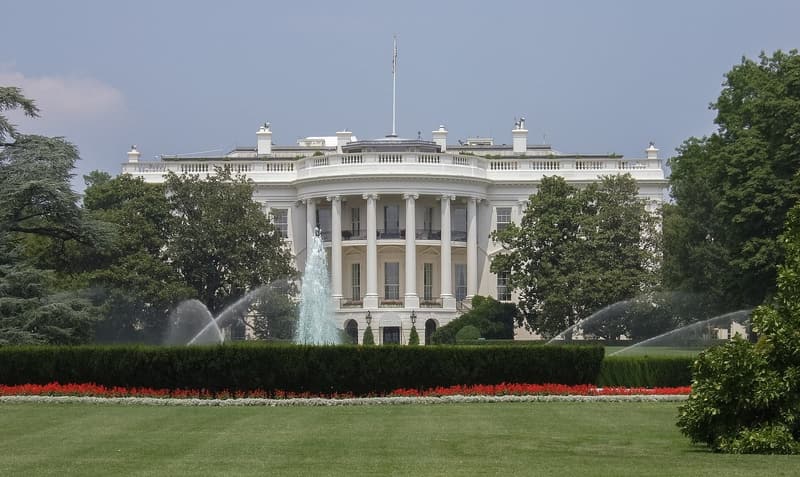
Representative photo · Photo: Diego Delso / Wikimedia Commons, CC BY-SA 3.0
President Donald Trump has nominated four individuals for vacant seats at the SEC and CFTC, creating a bipartisan slate that could shape digital-asset policy.
This is news, not investment advice. NexVani Media is not a SEBI-registered investment adviser and does not recommend buying or selling any security. Do your own research or consult a registered adviser before investing.
President Donald Trump has nominated four individuals to fill vacant positions at the two federal agencies responsible for writing digital-asset rules. The White House announced Thursday that the nominations have been sent to the Senate for review. This bipartisan slate pairs two Republicans and two Democrats across the commissions, marking the administration's first Democratic nominees for either agency.
For the Commodity Futures Trading Commission, the White House nominated Nathan Anonick and Matthew Rowland. For the Securities and Exchange Commission, the nominees are Kristin Johnson and Steven Levine. Each appointment requires confirmation by the Senate. The appointments arrive as both regulatory bodies have operated with depleted rosters following a wave of departures, while simultaneously taking the lead on digital-asset policy after the congressional Clarity Act stalled this fall.
Both CFTC nominees hail from the Senate Agriculture Committee, which shares jurisdiction over crypto market structure. Anonick, a Republican, serves as legislative counsel to committee Chairman John Boozman and was a lead negotiator on the panel's portion of the Clarity Act. Rowland, a Democrat, is a career CFTC attorney detailed to the committee with an enforcement-heavy background, potentially introducing a dissenting voice to a commission that has leaned pro-industry under sole Senate-confirmed member Michael Selig. Senate committees will review the nominations during a tight confirmation window before the Senate transitions toward Democratic control in January.
Bipartisan regulatory nominations could solidify the SEC and CFTC's leading role in shaping digital-asset policy.
On the SEC side, the nominees would replace commissioners who played opposing roles in crypto oversight. Levine, a Republican, is slated to fill the seat of Hester Peirce, the agency's prominent crypto advocate and head of its Crypto Task Force. Because Levine's public views on digital assets are not well established, his future votes represent a key variable for the agency's crypto-friendly direction. Johnson, a Democrat and former CFTC commissioner, would replace frequent crypto skeptic Caroline Crenshaw. At the CFTC, Johnson focused on digital-asset custody and DeFi while pressing for stronger consumer protections.
The nominations represent the first Trump has sent for these seats in approximately a year, following previous turbulence that included pulling prior CFTC chair nominee Brian Quintenz. With the Clarity Act having collapsed in the Senate, the SEC and CFTC have moved to fill the regulatory vacuum using their own authority. Fully staffed commissions would provide the quorum and staying power necessary to turn active digital-asset proposals into durable rules.
Why it matters
The bipartisan slate fills depleted federal agencies that have taken charge of digital-asset policy following the collapse of congressional market-structure legislation. For crypto participants and global observers, the confirmation of these nominees will determine whether recent regulatory initiatives--such as the CFTC's exploration of perpetual futures and the SEC's innovation exemptions--solidify into permanent rules.
Sources
More like this

Aave proposal could reduce some lenders interest returns by up to 60 percent

Why Private AI is More Important Than Ever for Data Security

Bitcoin Hits 12-Week Low Amid Fed Rate Fears