10 years after the Brexit referendum, UK weighs a potential return to the EU
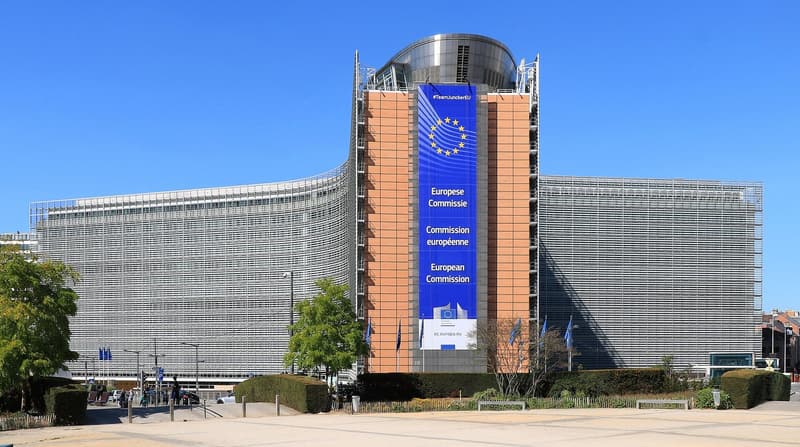
Representative photo · Photo: EmDee / Wikimedia Commons, CC BY-SA 4.0
Prime Minister Andy Burnham has secured a new trade deal with the European Union, signaling a shift in the UK's relationship with the bloc a decade after the divisive Brexit referendum.
A decade after the narrow vote to leave the European Union, the United Kingdom is showing signs of buyer’s remorse. As the country navigates the long-term impacts of its departure, many citizens are searching for information on a potential Brexit return. The original 2016 referendum was a deeply divisive event that split families and redefined British identity, leaving a legacy of political and social tension that persists today.
Rebuilding bridges with Europe
Following a recent UK-EU summit in Brussels, Prime Minister Andy Burnham announced a series of agreements aimed at repairing ties with the UK's largest trading partner. In a joint conference with European Commission President Ursula von der Leyen, Burnham described the deal as a way to rebuild bridges broken years ago. The agreement focuses on three key areas: easing trade restrictions, expanding opportunities for youth mobility, and addressing carbon levies. While some argue that leaving the single market created unnecessary trade barriers and bureaucracy, others remain committed to the original decision to leave.
Prime Minister Andy Burnham has initiated a new series of deals to strengthen UK-EU relations and trade.
Polling expert Sir John Curtice notes that public sentiment has shifted significantly since 2016. Excluding undecided voters, surveys suggest approximately 62 percent of the public now favor rejoining the EU. However, experts warn that the political path to rejoining is complex. While the government could theoretically pursue this without a new referendum, doing so would be highly controversial. Professor Sionaidh Douglas-Scott of Queen Mary University of London suggests that while the original vote was not legally binding, ignoring it would be politically difficult for any administration.
Prominent figures from the original Leave campaign, including Nigel Farage and former Prime Minister Boris Johnson, have begun mobilizing against any move toward realignment. Critics of rejoining often cite the potential financial costs, with groups like Stay Out claiming significant annual burdens for the UK economy. Meanwhile, analysts like Professor Anand Menon point out that the issue has lost its former salience, as the public now prioritizes other domestic concerns over the debate on European integration.
Why it matters
This shift in policy marks a significant pivot in British foreign and economic strategy. For the UK, it suggests a move toward reducing trade barriers and restoring closer cooperation with European neighbors. The outcome of these negotiations will impact businesses and citizens who rely on cross-border trade and mobility, potentially easing the economic friction caused by the initial exit.
Sources
More like this

Voters in Four Out of Five UK Parliamentary Seats Now Back Rejoining the EU
Burnham seals trade and youth mobility deals in biggest step since Brexit
Top US Democrat Warns Administration Over Destroying Records