Ukraine and Russia race to develop independent military satellite networks
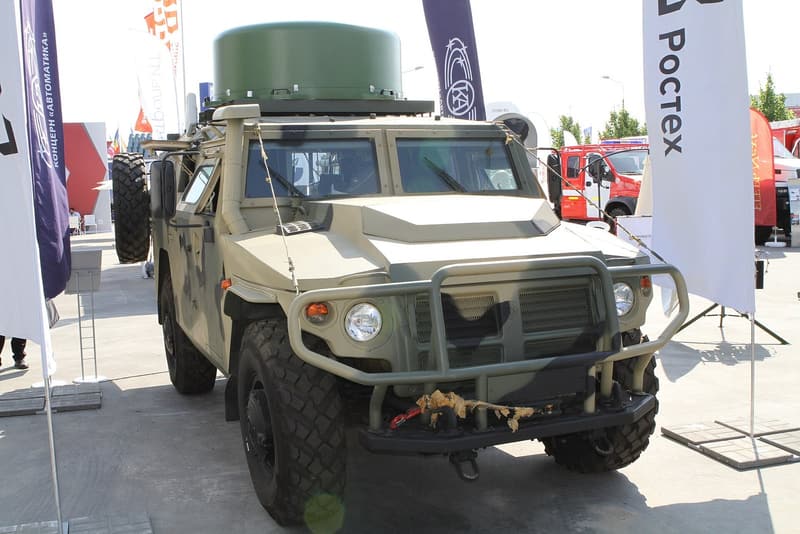
Representative photo · Photo: Nickel nitride / Wikimedia Commons, CC0
Ukraine is seeking to reduce its reliance on Starlink by developing sovereign satellite capabilities as Russia works on its own orbital constellation.
As the Ukraine Russia war continues to impact global security, Kyiv is taking decisive steps to secure independent military communications. The recent launch of the Obria Nano satellite, a collaboration between Ukrainian firm Himera and Denmark’s GomSpace, represents a significant move toward establishing resilient, sovereign satellite capabilities. This small-scale project is intended to serve as the foundation for a future constellation of military satellites.
Seeking alternatives to Starlink
Kyiv’s push for technological independence is driven by a near-total reliance on SpaceX’s Starlink system. While the service has provided a vital backbone for the Ukrainian military and government since 2022, the relationship with Elon Musk has been volatile. Recent operational disruptions, including speed limits imposed on drones in mid-October, have hindered front-line efforts. President Volodymyr Zelenskyy noted that these restrictions caused significant challenges, and analysts suggest that while Starlink remains essential for the immediate future, the need for a domestic alternative is urgent.
Beyond the Obria project, Ukraine has engaged Finnish companies Nokia and ICEYE to explore the development of advanced satellite networks, including technology capable of high-resolution imagery in any weather. These efforts are complicated by the unpredictable nature of private sector partnerships, as Ukrainian officials navigate Musk’s shifting political stances and public demands regarding the conflict.
Ukraine is developing sovereign satellite networks to reduce its critical reliance on SpaceX's Starlink communications system.
Meanwhile, Moscow is also pursuing its own satellite infrastructure. Russian President Vladimir Putin has expressed interest in building a domestic version of Starlink, recently referencing the potential for a constellation named Rassvet. While Putin has publicly lauded Musk, reports suggest that Russia’s own satellite development efforts have involved components similar to first-generation Starlink technology manufactured in China. As both nations look to the skies to gain a tactical advantage, the race to secure reliable, military-grade orbital communications remains a central component of the ongoing conflict.
Why it matters
The development of sovereign satellite networks highlights the vulnerability of nations relying on private, foreign-owned infrastructure for critical military communications. For Ukraine, this shift is a matter of survival, as it seeks to insulate its front-line operations from the influence of individual corporate leaders. This race also underscores the growing importance of low-orbit satellite constellations in modern warfare, a trend that is reshaping how countries approach defense technology and sovereignty on a global scale.
Sources
More like this

Microsoft Issues Apology for Global Microsoft Outage Impacting Australia

Tech now: AI landslip warnings, GTA success and underwater robots
SpaceX Starship Flight 15 Launches From Texas