Uncalled US House races could send more crypto allies to Congress
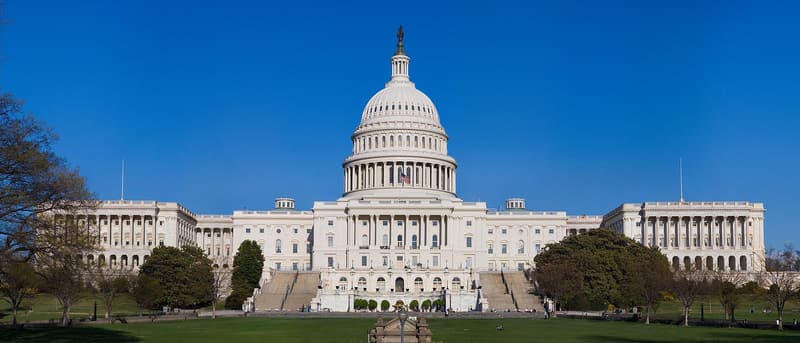
Representative photo · Photo: Noclip / Wikimedia Commons, Public domain
Pending US House election results could expand the presence of crypto supporters in Congress, as advocacy groups plan outreach to uncalled races.
This is news, not investment advice. NexVani Media is not a SEBI-registered investment adviser and does not recommend buying or selling any security. Do your own research or consult a registered adviser before investing.
Following recent US elections that shaped the control of the House and Senate, fourteen races remain uncalled while political action committees continue to monitor the outcomes. These pending contests feature candidates who are either strongly pro-crypto or have not yet stated a public position, according to Stand With Crypto data. While some analysts examine broader market trends, such as Markus Thielen's insights regarding Wall Street and Bitcoin rallies, political advocates are focusing heavily on legislative developments. Advocacy groups note that these remaining races present an opportunity to engage with incoming lawmakers who have not yet formed a firm stance on digital assets.
Crypto political action committees backed three specific candidates in the undecided House races. In Alaska and North Carolina, Republican incumbents lead their respective contests, while a Louisiana state senator prepares for a December runoff election. Defend American Jobs provided financial backing for Republican-facing campaigns, including support for Rep. Nick Begich in Alaska and Rep. David Rouzer in North Carolina. Meanwhile, The Fellowship PAC supported Louisiana state Sen. Blake Miguez, who advances to a December runoff against Democrat Chauna Banks.
Understanding uncalled political races
The Associated Press recently called the race in South Carolina for incumbent Rep. Joe Wilson, whom Stand With Crypto rates as strongly supportive. This victory brought the organization's tracked tally in the House to 246 supporters and 107 opponents, with the Senate counting 50 supporters and 33 opponents. Industry representatives indicate that nearly one-quarter of the incoming Congress will consist of new members, creating what they describe as a blank slate for blockchain education.
Pending US House races provide advocacy groups with a fresh opportunity to educate incoming lawmakers about crypto.
Blockchain Association Chief Policy Officer Lindsay Fraser explained that age often plays a larger role in legislative voting patterns than party affiliation. Lawmakers under the age of 55 demonstrate a higher likelihood of supporting the sector, and the incoming congressional class skews younger overall. Advocacy organizations intend to organize outreach efforts, such as a January fly-in event, to connect with newly elected officials before legislative sessions begin in earnest.
Why it matters
The remaining undecided congressional races carry significant weight for digital asset advocacy groups seeking to shape future regulatory discussions. By targeting candidates who have not yet taken a public stance, industry organizations aim to expand legislative support and secure a more predictable policy environment for blockchain technology.
This ongoing political outreach affects regulatory discussions in the United States, with potential implications for international market participants and global observers who monitor American policy shifts. Stakeholders worldwide watch these legislative developments closely to understand how future congressional compositions might influence broader financial and technological frameworks.
Sources
More like this

Nomura Explores Potential Sale of Crypto Unit Laser Digital

Stablecoin Drain and ETF Outflows Leave Bitcoin Facing Pressure

Is buying bitcoin without a rally profitable under current pricing?