US AI sell-off impacts Indian stocks: A mint explainer
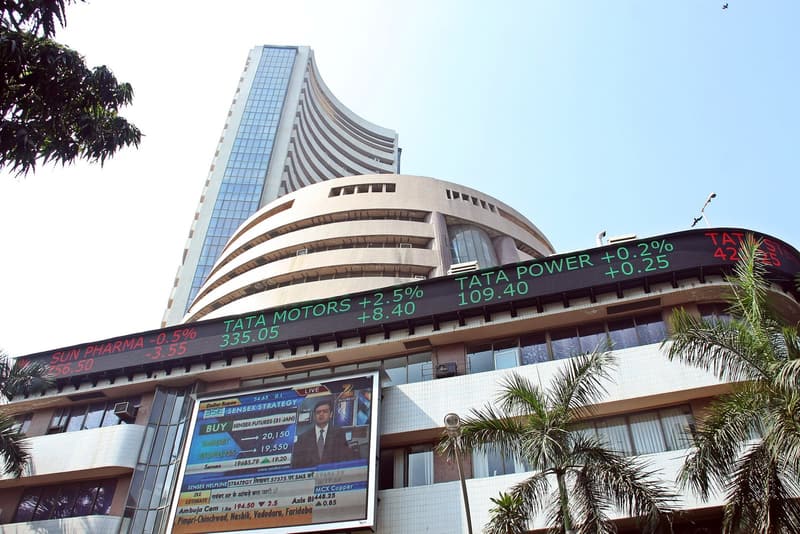
Representative photo · Photo: BSEINDIA / Wikimedia Commons, CC BY-SA 3.0
Recent losses in US tech stocks have triggered fears of an AI bubble, spreading a sell-off to Indian companies involved in the artificial intelligence buildout.
This is news, not investment advice. NexVani Media is not a SEBI-registered investment adviser and does not recommend buying or selling any security. Do your own research or consult a registered adviser before investing.
Global technology markets have experienced a sharp correction following a month of losses in the United States, reviving widespread concerns regarding the existence of an artificial intelligence bubble. According to a mint explainer, this market downturn has extended directly to Indian companies tied to the ongoing AI buildout, encompassing everything from data centres to power and cooling equipment suppliers. While India generally lags in the creation of foundational artificial intelligence, its publicly listed firms remain heavily exposed to the broader global investment cycle.
Data compiled by Goldman Sachs in September highlighted 42 Indian companies outperforming broader global and Asian AI-related stocks. However, a recent analysis demonstrates that 34 of those specific Indian firms dropped an average of 7% over the course of October. Prominent data centre operator Anant Raj and cooling material supplier Himadri Speciality Chemical suffered the steepest declines among the group, each falling by 25%. Conversely, corporations like Bharti Airtel and Blue Star emerged among the few major market gainers during the same timeframe. This regional contraction directly mirrored a wider international correction, which saw the Nasdaq drop 5% in October alongside steep double-digit declines for major US technology entities including Intel, Google, and Meta.
Market participants continue to question whether heavy investments in generative artificial intelligence can realistically generate sufficient financial returns to justify hundreds of billions of dollars in spending. Industry experts note that artificial intelligence has yet to demonstrate consistent productivity gains or create enough higher-quality jobs to offset displaced positions, while ongoing concerns regarding cybersecurity and sensitive enterprise data risks persist. Additional market jitters stemmed from escalating West Asia conflicts, compounding existing anxieties over expensive technology equities and lofty expectations for artificial intelligence.
Global AI sell-offs have spread to Indian infrastructure suppliers as investors question technology return on investment.
India faces a distinct double risk stemming from both international market spillovers and its inability to produce a homegrown artificial intelligence application capable of competing globally at scale with major US offerings. The domestic investment thesis largely relies on a projected $250 billion data centre expansion, yet this physical buildout remains underway and its ultimate financial returns are still unproven.
Why it matters
The ongoing technology correction highlights a growing disconnect between massive capital expenditures in artificial intelligence and tangible revenue generation. For investors and enterprises in India and beyond, this shift emphasizes the risks associated with infrastructure exposure when foundational technology adoption faces profitability questions.
Sources
More like this
Stock Market Update: Nifty 50 and Sensex Open Higher Before Diwali

Indian Equities May See Higher Foreign Inflows as Oil Prices Ease

Anthropic targets IPO valuation of up to $1.4tn amid cooling AI boom