
Indian Equities May See Higher Foreign Inflows as Oil Prices Ease
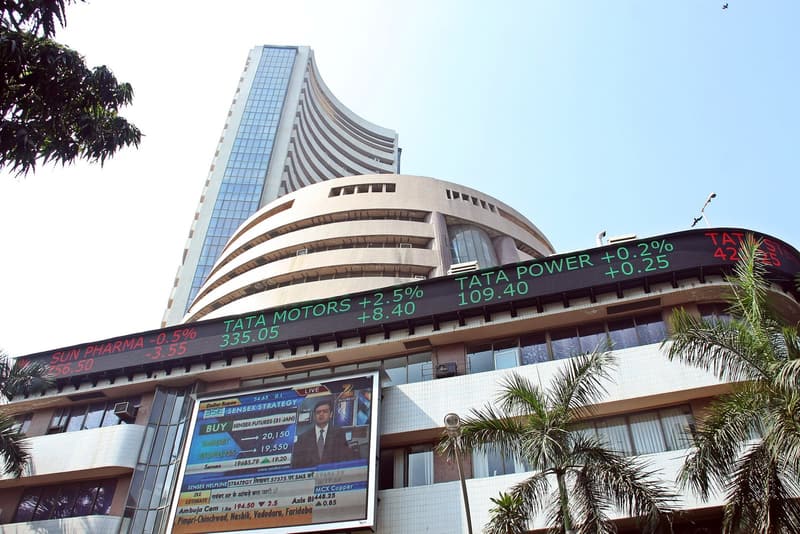
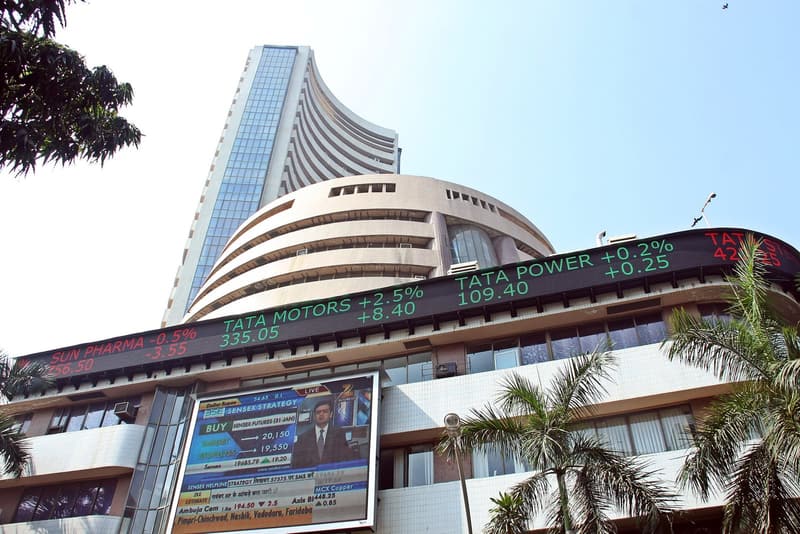
Representative photo · Photo: Vyacheslav Argenberg / Wikimedia Commons, CC BY 4.0
Lower oil prices are drawing renewed attention from global investors toward Indian equity markets, according to research from EPFR Global.
This is news, not investment advice. NexVani Media is not a SEBI-registered investment adviser and does not recommend buying or selling any security. Do your own research or consult a registered adviser before investing.
Global investors are showing renewed interest in the Indian equity market as a decline in oil prices improves the country's investment outlook. According to Cameron Brandt, Director of Research at EPFR Global, the current landscape is becoming more favorable for domestic equities, which often compete for capital alongside other global emerging market funds. While many investors are still navigating the complexities of the Indian Bank sector and broader market trends, the easing of energy costs remains a primary driver for this shift in sentiment.
Lower oil prices are encouraging global investors to increase their allocations toward Indian equity markets.
Although the broader artificial intelligence trade has not significantly impacted India, the country is benefiting from a trend where capital is flowing into India-dedicated funds. Brandt noted that India's prominence among emerging markets is expected to grow, particularly because there are currently few strong alternative destinations competing for international capital allocations.
However, market participants are advised to remain cautious. Brandt pointed out that while lower oil prices act as a tailwind, other macroeconomic developments could influence market direction. Specifically, the potential for interest rate hikes and the impact of major United States initial public offerings are variables that investors should monitor closely in the coming weeks.
Beyond the macroeconomic outlook, individual corporate movements continue to shape market activity. For instance, Dhoot Transmission shares worth over ₹850 crore are becoming available for trading today as the lock-in period concludes. In the corporate sector, Nomura has adjusted its price target for Tata Steel, while UBS maintains a neutral stance on the stock. Meanwhile, the government has expanded gold hallmarking requirements to six additional districts, and Kalyan Jewellers has reported strong expectations for festive demand following its second-quarter performance.
Why it matters
This shift in investor sentiment suggests that India could see increased liquidity in its equity markets if the current trend of lower oil prices persists. For investors and stakeholders, this highlights the sensitivity of the Indian economy to global energy costs and the relative attractiveness of the domestic market compared to other emerging regions.
These developments affect a broad range of market participants, from institutional investors managing large portfolios to those tracking specific corporate updates like the gold hallmarking expansion or retail-focused festive demand. Understanding these flows is essential for those monitoring the health of India's financial landscape.
Sources
More like this
US AI sell-off impacts Indian stocks: A mint explainer
Stock Market Update: Nifty 50 and Sensex Open Higher Before Diwali

Anthropic targets IPO valuation of up to $1.4tn amid cooling AI boom