Walliams Allegations Spark Debate Over Staggered Age of Consent Laws
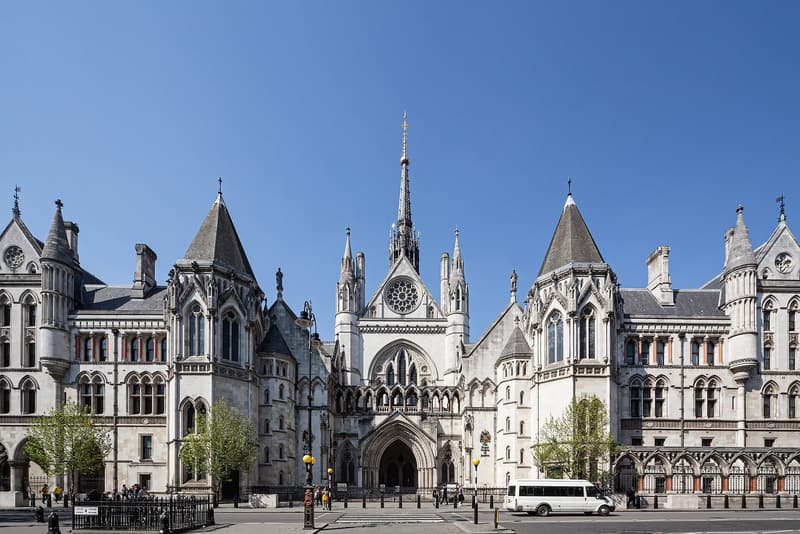
Representative photo · Photo: This image was produced by me, David Cas / Wikimedia Commons, CC0
Recent allegations against public figures have prompted discussions on implementing a staggered age of consent to better protect 16- and 17-year-olds.
Recent scrutiny following high-profile claims, including walliams allegations, has triggered renewed debates regarding the legal protection of minors in the United Kingdom. Campaigners, legal experts, and select politicians are pushing for serious discussions about revising the current legal framework surrounding sexual consent for teenagers aged 16 and 17.
Under current laws, 16 is the age at which an individual can legally consent to sexual activity. However, critics argue this fails to account for significant power imbalances between minors and much older adults. Barrister Charlotte Proudman noted that while teenagers cannot purchase alcohol or tobacco at 16, the law currently permits adults of any age to engage in sexual activity with them, provided consent is given.
Proponents of reform, such as the Close the Consent Gap campaign led by Layla Stone, propose making it a criminal offence for a 16- or 17-year-old to engage in sexual activity with anyone more than three years older. This graduated approach would place responsibility directly on the older adult rather than requiring a minor to prove exploitation or grooming.
Staggered consent laws aim to protect minors by accounting for power imbalances with older adults.
Global legal landscapes offer varied examples, with countries like Canada considering age differences when evaluating exploitation for older teenagers. Meanwhile, researchers remain cautious. Professor Roger Ingham from the University of Southampton and Dr Sophie King-Hill from the University of Birmingham have questioned whether changing the law directly solves the issue, warning that such measures might inadvertently create a false sense of security or deter young people from seeking necessary health support.
Why it matters
This debate addresses potential gaps in legal protections for teenagers against exploitation, grooming, and power imbalances involving significantly older individuals. While policymakers consider legislative changes, experts emphasize the need for careful evaluation to avoid unintended consequences for young people seeking support and guidance.
Sources
More like this
Labour Chief Whip Takes Tough Approach in Interview

Gadi Eisenkot Slams Benjamin Netanyahu Over Election Campaign

UK Considers Expanding Youth Benefit Overhaul to Older Age Groups