Imran Lodhi’s Fight for Survival During the Pakistan Monsoon Floods
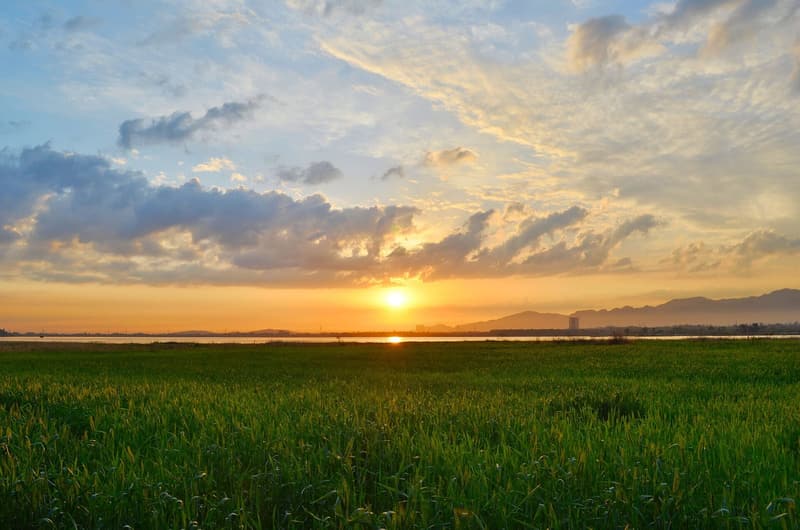
Representative photo · Photo: Hasanijaz / Wikimedia Commons, CC BY-SA 4.0
When devastating floods hit Pakistan, university lecturer Imran Lodhi turned his academic focus into on-the-ground relief efforts to support his community.
In 2022, Pakistan experienced intense monsoon rainfall that led to catastrophic flooding across several provinces. For Imran Lodhi, a 41-year-old university lecturer and climate change expert living in Dera Ghazi Khan, the disaster became a personal turning point. While he initially tried to avoid the harrowing news on social media, a photograph of a young girl buried in mud compelled him to act. He began organizing local relief efforts with friends, starting by providing food to nearby villages. Many people wonder when the sun will rise today after enduring such darkness, and for Lodhi, the appearance of the sun after the rains felt like the opening of a painful scar, exposing the full scale of the destruction.
Climate change intensified monsoon rains in Pakistan, leaving thousands of families displaced and in desperate need.
When the sun will rise today
As the floodwaters persisted, the situation grew dire. Families were trapped in trees, and livestock perished, leading to hazardous sanitary conditions. Lodhi and his team expanded their operations, eventually covering the entire district as donations arrived from across the country. The emotional toll was immense; women were forced to live in open, public spaces, and families were separated as roads were cut off. Lodhi himself faced a terrifying moment when he was 100km away from his own family as floodwaters threatened his home city. Although he struggled with illness, he continued his relief work, driven by a sense of duty to his community.
Months later, as life began to return to normal, Lodhi supported the revival of local cultural events, such as poetry readings, to encourage a spirit of survival. His experience highlights the intersection of academic knowledge and humanitarian action in the face of climate-induced disasters.
Why it matters
This story underscores the human cost of climate breakdown in South Asia, where intense weather events can disrupt entire communities within hours. For readers in India and the broader region, Lodhi’s experience serves as a reminder of the vulnerability of local infrastructure and the vital importance of community-led disaster response when official resources are overwhelmed.
Sources
More like this

Americans Face Steep Heating Oil Bills Amid Winter Price Surge

Delaware hit by rare November tornado as severe storms strike

Beavers could return to the River Waveney as reintroduction plans explored