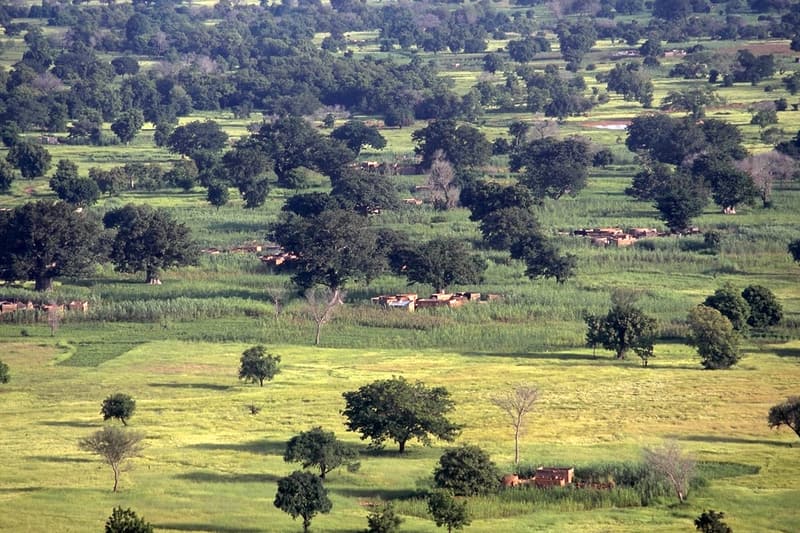
Who gets to tell the world’s news? A look at early Global South media efforts
An examination of early efforts by nations in the Global South to challenge Western dominance in international news reporting during the Cold War.
In the early 1980s, a young student named Daya Thussu sat at a subediting desk for the Press Trust of India in New Delhi. Surrounded by the steady clatter of telex machines, he monitored two very different streams of global information. While one feed arrived from established Western agencies such as Reuters, the other came through an alternative network connecting newsrooms across Asia, Africa, and Latin America. This daily routine offered a firsthand look at how developing nations attempted to share stories without relying on traditional Western capitals.
For decades, a small group of European and American news organizations had controlled the flow of international information. By the middle of the nineteenth century, agencies like Reuters, Germany's Wolffs Telegraphisches Bureau, and France's Agence Havas had divided global territories among themselves. Reuters, established during the height of the British Empire, operated with an international reach deeply tied to imperial infrastructure. As colonial rule began to dissolve in the twentieth century, newly independent countries started questioning why global news remained concentrated in Western hands.
This desire for self-reliance grew out of the Non-Aligned Movement, a coalition formed during the Cold War to provide an independent path away from superpower rivalry. Leaders such as India's Jawaharlal Nehru, Yugoslavia's Josip Broz Tito, and Egypt's Gamal Abdel Nasser gathered in Bandung and Belgrade to foster cooperation among nations emerging from colonial rule. By the 1970s, as countries pushed for greater autonomy, these discussions expanded to address global imbalances in economic, cultural, and informational systems.
The challenge of who gets to tell global stories
Within this framework, the Non-Aligned News Agencies Pool enabled countries to exchange dispatches directly. Editors selected stories from diverse nations, including the Philippines, Iraq, and various African states, to distribute across domestic wires. Although the process involved manual editing and typing, it provided valuable training for journalists interested in international affairs. These debates eventually fed into broader campaigns within UNESCO for a New World Information and Communication Order, aimed at reducing dependence on Western media organizations.
Why it matters
These historical initiatives laid the groundwork for ongoing discussions about media representation and global information flow. By attempting to establish direct channels for sharing news, newly independent nations highlighted systemic inequalities in international communication that continue to resonate in modern media landscapes.
Sources
More like this
US Terror Case Links Iran-Backed Handler to RAF Fairford Incident
Gulf Defence Ministers Approve Forward Command as Regional Security Shifts
Imprisoned Iranian Boxer Honored with Human Rights Prize