World
Who can force Israel to implement Gaza ceasefire deal?
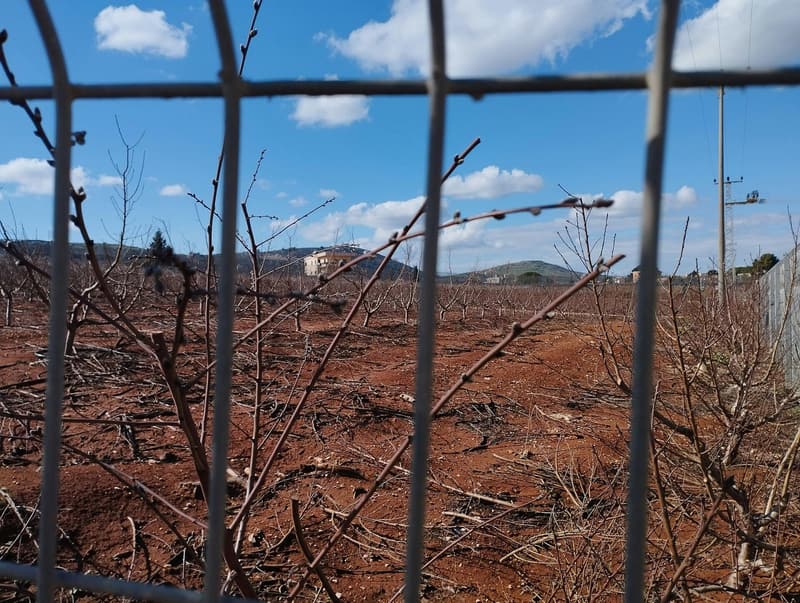
Representative photo · Photo: United States Air Forces Central - Staff / Wikimedia Commons, Public domain
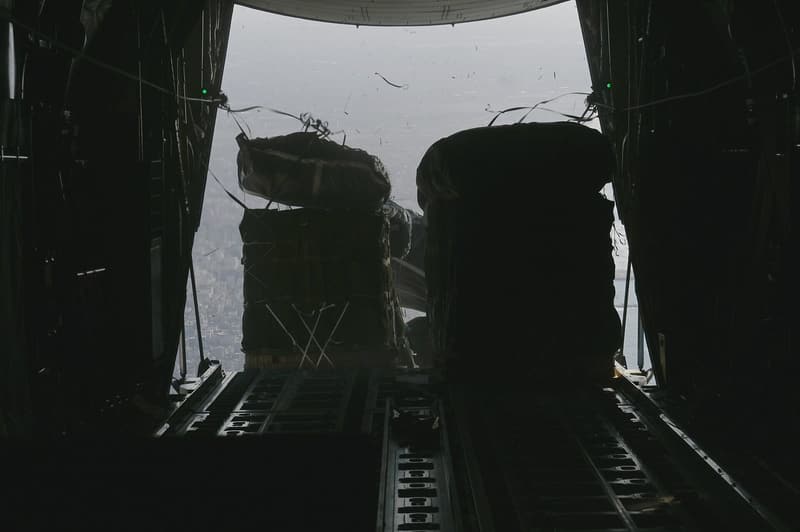
Representative photo · Photo: United States Air Forces Central - Staff / Wikimedia Commons, Public domain
Displaced Palestinians in Gaza face severe winter storms and continued aid blockades despite declarations that the war has ended.
Winter storms have battered the Palestinian territory, adding severe hardship to families who are still living in tents with no access to basic services. While the United States president may have declared the war in Gaza over, life is far from normal for the local population. Recent flooding has exposed just how vulnerable displaced families remain as they navigate freezing temperatures and heavy rain.
At the same time, Israel continues to block the entry of essential humanitarian aid, basic supplies, and adequate shelter into the region. Calls to alleviate the crisis from international bodies, including the United Nations, the European Union, and the US-established Board of Peace, have so far gone unanswered. Experts such as Tamer Qarmout, Eyad Amawi, and Chris Doyle have highlighted the gravity of the situation as questions mount over who israel might listen to regarding compliance.
Displaced families in Gaza face severe winter weather while Israel continues to restrict humanitarian aid.
The ongoing restriction of basic supplies raises urgent questions about what can be done to ensure the humanitarian crisis does not deepen further. With displaced individuals enduring harsh conditions in tents without proper infrastructure, the lack of outside intervention leaves vulnerable populations exposed to extreme weather risks.
Storms batter Palestinian territory as Israel restricts entry of aid, worsening conditions for displaced families who lack basic services and shelter.