Why India's population is so high and Muslim numbers are projected to grow
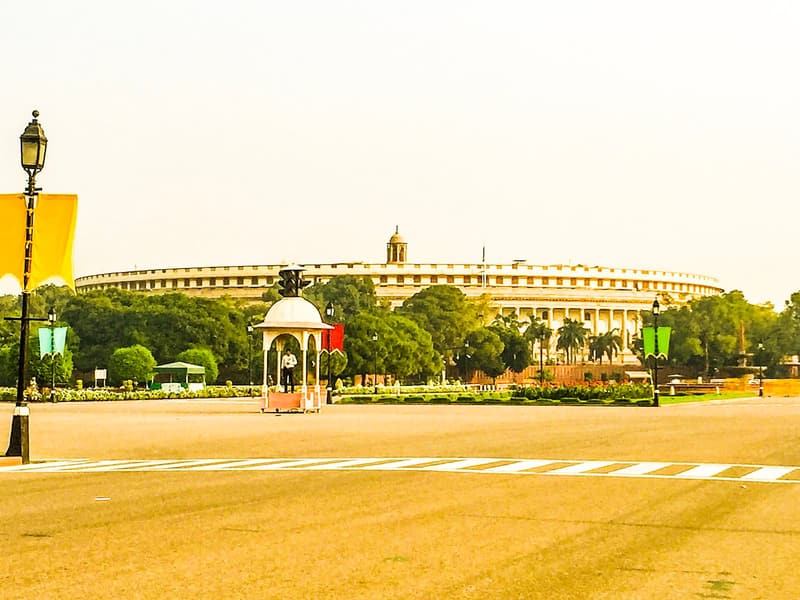
Representative photo · Photo: IM3847 / Wikimedia Commons, CC BY-SA 4.0
A Pew Research Center report projects India's Muslim population will grow by nearly 57% by 2070, driven by a younger age structure despite falling fertility rates.
A comprehensive study by the Pew Research Center indicates that India's Muslim population is projected to increase by nearly 57% between 2020 and 2070. This upward trajectory occurs even as Muslim women experience declining fertility rates and the gap between communities narrows. Understanding why India's population is so high and why certain demographics continue to expand involves analyzing age structures and population momentum rather than fertility rates alone.
The research reveals that the primary driver behind this growth is the younger age profile of Indian Muslims. In 2020, the median age for Muslims in India stood at 24 years, compared with 29 years for Hindus. This five-year demographic difference means a larger proportion of the Muslim community has yet to complete its reproductive years, sustaining growth even as average family sizes shrink.
Population momentum allows communities to keep growing for decades despite falling fertility rates.
Across the broader demographic landscape, the National Family Health Survey data shows that fertility rates have dropped significantly across all groups. The total fertility rate among Muslim women fell from 4.4 children in the early 1990s to 2.36 in the 2019-2021 survey period, largely due to family planning adoption. During the same timeframe, the fertility rate among Hindu women decreased from 3.3 to 1.94 children per woman, placing it below the replacement level of 2.1.
While absolute numbers show the Hindu population adding more individuals due to a much larger starting base, the projected shares will shift over time. Pew projects the Hindu share of India's population will move from roughly 79% in 2020 down to 76% in 2070. Meanwhile, the Muslim share is expected to rise from about 15% to 20%, placing India with the second-largest Muslim population globally behind Pakistan by 2070.
Why it matters
These demographic shifts highlight long-term structural changes in South Asia's largest nation, affecting social planning and policy formulation. Understanding how age distribution shapes future populations helps policymakers address economic and resource allocation needs effectively.
Sources
More like this

Malawi Fuel Crisis Completely Disrupts Daily Life and Business

Life Under Siege: Voices From the Yemeni City of Taiz

Four bodies recovered after Senegal boat capsizes amid migration surge