Prime Minister Anthony Albanese Begins Overseas Trip Advancing Australia
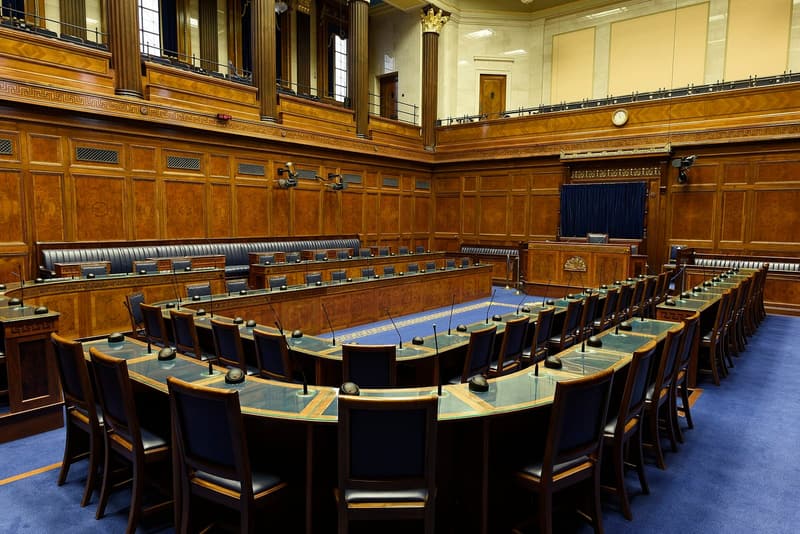
Representative photo · Photo: SwarmCheng / Wikimedia Commons, CC BY-SA 4.0
Prime Minister Anthony Albanese is visiting Türkiye, the Philippines and China to boost trade, climate cooperation and regional stability.
Prime Minister Anthony Albanese has embarked on an international journey to Türkiye, the Philippines and China with the goal of advancing Australia and its economic interests while promoting peace, stability and free trade. The itinerary includes stops at major multilateral summits and bilateral discussions across three nations. Prime Minister Albanese will first attend the COP31 World Leaders’ Summit in Antalya, where Australia is partnering with Türkiye to lead global climate negotiations for the first time in history. At the summit, the leader will highlight the COP31 Pacific Partnership and shared climate priorities, noting that renewable energy leadership creates future jobs and strengthens regional ties.
Following the climate summit, the Prime Minister will travel to Manila for the sixth ASEAN–Australian Summit and the 21st East Asia Summit. Discussions there will focus on expanding economic ties through Invested: Australia’s Southeast Asia Economic Strategy to 2040. Meeting with President Marcos, the visit also marks 80 years of diplomatic relations and reinforces bilateral ties through an existing Strategic Partnership, tapping into new markets across ASEAN's population of 700 million.
Prime Minister Albanese visits Türkiye, the Philippines and China to boost trade, climate action and regional security.
Advancing Australia Through Regional Engagement
The final leg of the tour takes the Prime Minister to China for the 33rd APEC Economic Leaders’ Meeting in Shenzhen and the Australia–China Annual Leaders’ Meeting in Beijing. APEC serves as a platform to secure stable regional trade and harness emerging technologies like artificial intelligence. In Beijing, discussions with Premier Li will address the bilateral relationship with China, which remains Australia's largest trading partner with two-way trade reaching $326 billion in the previous year. Direct diplomatic engagement aims to resolve differences and protect national economic and security interests.
This extensive international engagement also supports Australia's bid for a seat on the United Nations Security Council in 2028. The Prime Minister emphasized that direct diplomacy ensures Australian voices are heard during a complex global period, asserting that domestic prosperity relies heavily on active international participation and strong economic diversification.
Why it matters
These diplomatic visits directly shape Australia's economic future by securing trade routes, opening new markets in Southeast Asia, and managing vital commercial relationships with major trading partners like China. Active engagement on the global stage helps protect domestic jobs and ensures secure supply chains for Australian citizens.
Sources
More like this

Sonia Gandhi's Memoir Reveals Political Shifts and Personal Grenades
Florida Democrats Face New Hurdles As Red Wall Shows Cracks
New Isle of Man leader addresses key challenges