
Politics
Sonia Gandhi's Memoir Reveals Political Shifts and Personal Grenades
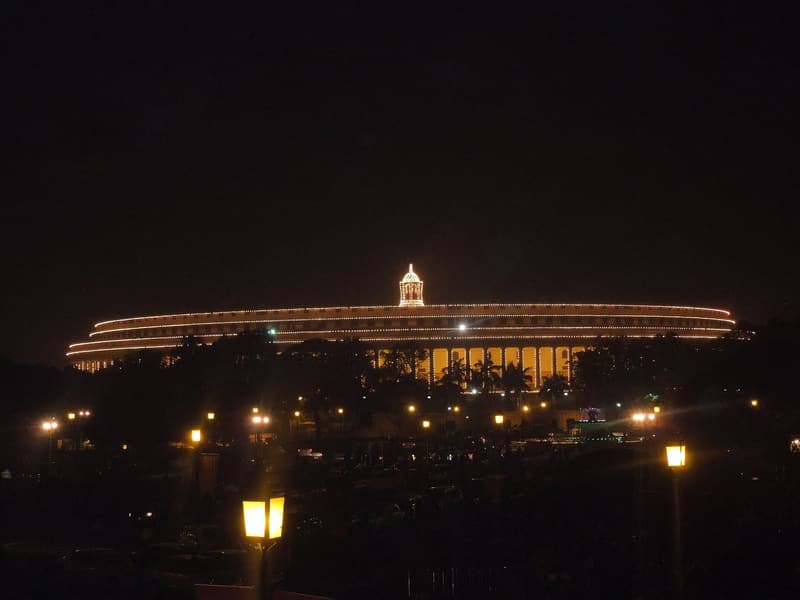
Representative photo · Photo: Sidheeq / Wikimedia Commons, CC BY-SA 4.0
By: NexVani DeskDate: 10 November 2026Views: 0
Sonia Gandhi’s new memoir, Belonging, offers an intimate look at her life, the evolution of Indian politics, and the challenges of leadership.
In her long-awaited political memoir, Belonging, Sonia Gandhi provides a candid account of her journey from a small town in Italy to the center of Indian power. The book covers decades of history, including the discovery of grenades in her home following the 1984 military operation at the Golden Temple. Through these pages, the veteran Congress leader reflects on the personal grief and the extraordinary turns of a life lived in the public eye.
Sonia Gandhi’s memoir offers an insider’s perspective on six decades of India’s political and personal evolution.
A Changing Political Landscape Gandhi’s narrative serves as a record of India’s transformation from a Congress-dominated secular republic to the current era of Hindu nationalism under Prime Minister Narendra Modi. She describes a profound shift in political culture, noting that she has had practically no real contact with Modi during his 12-year tenure. She observes that while past leaders maintained cordiality across the aisle, today’s political environment is increasingly characterized by an authoritarian style that seeks to belittle and torment opponents.
The Cost of Leadership Reflecting on the challenges faced by women in politics, Gandhi discusses the isolation that often accompanies high office. She recalls a 2012 conversation with Hillary Clinton regarding the burdens of female leadership. Gandhi writes that her mother-in-law, Indira Gandhi, often felt besieged and profoundly alone, a sentiment Sonia experienced herself when she assumed the leadership of the Congress party out of a sense of duty to her family’s legacy.
Media and Free Expression One of the most significant shifts highlighted in the book is the changing relationship between the government and the media. Gandhi contrasts the current era, where the Prime Minister avoids open press conferences, with earlier times when journalists had direct access to leadership. This discussion comes alongside the controversy surrounding the book’s publication; Gandhi claims Penguin Random House India dropped the project due to concerns over government criticism, a claim the publisher disputes. The book is now published in India by HarperCollins.
Why it matters The memoir highlights the deepening political polarization in India and the erosion of democratic conventions. For readers in India and beyond, it underscores the changing nature of political discourse, the pressures on free expression, and the personal toll exacted by a life in the highest echelons of power.
Sources
Related
More like this

Florida Democrats Face New Hurdles As Red Wall Shows Cracks
NDNexVani Desk-

New Isle of Man leader addresses key challenges
NDNexVani Desk-

Holiday meal bill faces final Stormont hurdle in Northern Ireland
NDNexVani Desk-

New Knesset speaker could be key to ousting Netanyahu
NDNexVani Desk-