AI Data Centers Turn to Used Turbines Amid Long Delays
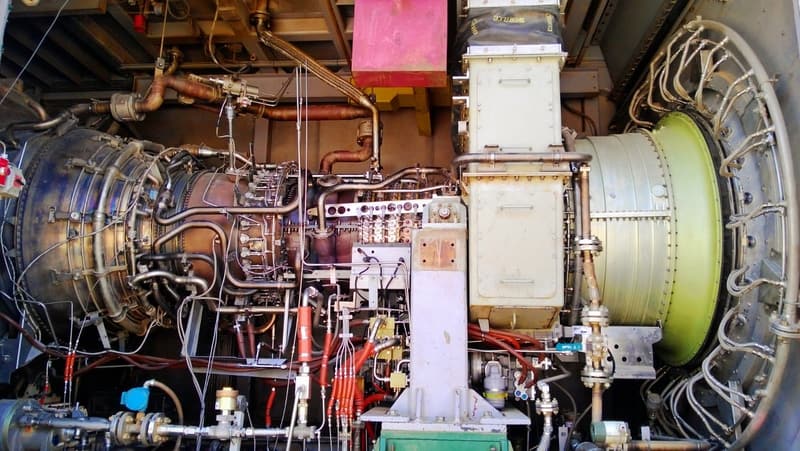
Representative photo · Photo: Pro-Per Energy Services / Wikimedia Commons, CC BY-SA 4.0
Artificial intelligence infrastructure developers are purchasing refurbished power equipment and jet engines to bypass multi-year turbine delivery backlogs.
This is news, not investment advice. NexVani Media is not a SEBI-registered investment adviser and does not recommend buying or selling any security. Do your own research or consult a registered adviser before investing.
Artificial intelligence infrastructure developers are increasingly hunting for used gas turbines and retired aircraft engines as surging demand strains the global power equipment market. With new generating units taking up to six years to deliver in the United States, operators are rushing to secure alternative sources of electricity to keep pace with rapid expansion. Energy consultancy Wood Mackenzie noted that turbine delivery timelines are stretching into 2030 and 2031, directly clashing with the AI sector's urgent need for immediate computing capacity.
Global orders for power turbines have surpassed 100 gigawatts, severely outpacing the estimated annual manufacturing capacity of 60 to 70 gigawatts. Major equipment producers including Siemens Energy, GE Vernova, and Mitsubishi Heavy Industries have confirmed that demand is outstripping their production limits. Because connecting new data centers to public electricity grids can take years, many operators are turning to on-site generation. According to energy analysts and equipment brokers, second-hand machinery provides a faster route to power while carrying a substantial financial discount compared to brand-new units.
Refurbished turbines and jet-engine generators are helping AI developers bypass long equipment delivery delays.
Firms are utilizing aeroderivative technology, which adapts aircraft jet engines into stationary power generators capable of running alongside computing facilities. For instance, infrastructure provider Crusoe ordered thirteen units from ProEnergy to support future U.S. facilities. Meanwhile, other developers are sourcing gas-engine generators from manufacturers like Wärtsilä to meet their round-the-clock power needs for dense chip configurations and cooling systems.
## Data Centers Face Regulatory and Fuel Hurdles
Operating on-site power plants introduces significant regulatory challenges regarding fuel supply, air emissions, and local permits. Stationary turbines utilized by computing facilities remain subject to strict federal air-pollution standards enforced by the Environmental Protection Agency. Additionally, research from Cleanview indicates that proposed on-site generation at U.S. data centers has climbed dramatically, even as operational capacity remains limited.
Why it matters
The severe shortage of new gas turbines highlights the immense infrastructure bottlenecks facing the modern technology sector. As electricity consumption at artificial intelligence facilities is projected to triple by 2030, finding alternative power sources dictates how quickly companies can scale operations without overwhelming public utility grids.
Sources
More like this
Cardano Proposal Weighs Emergency Leios Scaling Deactivation

Elizabeth Warren Plans Prediction Market Crackdown in Senate

Amundi Raises Strategy Stake to $291M Despite Declining Shares