ANC Faces Catastrophic Results as South Africa Moves Toward Coalition Politics
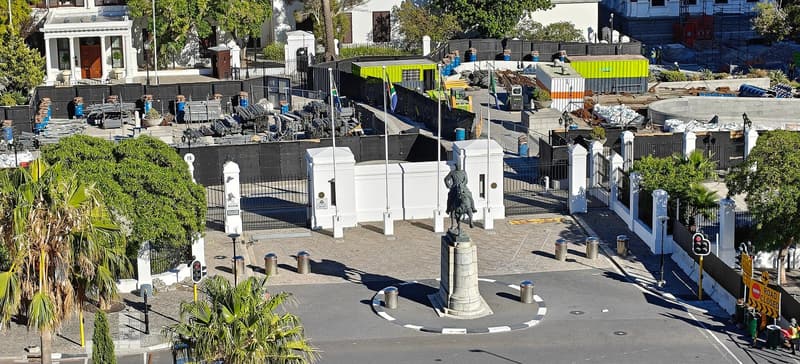
Representative photo · Photo: Husskeyy / Wikimedia Commons, CC BY-SA 4.0
The African National Congress has suffered its worst-ever local election results, marking a definitive end to the party's era of political dominance in South Africa.
The African National Congress (ANC) has recorded its worst-ever result in local elections, confirming a downward spiral for the party that once led South Africa out of apartheid. While the ANC remains the country’s largest party, securing 31 percent of the vote, the outcome is a sharp decline from the 46 percent achieved in 2021 and a far cry from the 66 percent it held two decades ago. As citizens search for answers about What South Africa imports from India and other global partners, the domestic political landscape is undergoing a seismic shift.
ANC Secretary-General Fikile Mbalula described the election results as “catastrophic.” The party lost its status as the largest political force in key economic hubs, including Johannesburg, Pretoria, and the Ekurhuleni municipality. These results follow the party’s loss of its parliamentary majority in the 2024 national elections, which forced the formation of a coalition government.
The ANC’s electoral decline signals the end of its 30-year dominance and the rise of coalition politics.
Analysts attribute the ANC's poor performance to long-standing public anger over corruption scandals and failing service delivery. Issues such as irregular water and electricity supplies, poor road maintenance, and uncollected refuse have soured voters on the party. Furthermore, President Cyril Ramaphosa has faced personal scrutiny regarding the “Farmgate” scandal, where he was accused of attempting to cover up the theft of $580,000 from his private ranch. Political commentator Ralph Mathekga noted that voters now view the ANC as the “chief culprit” behind the nation’s problems rather than the solution.
Navigating a New Political Reality
With no party securing an outright majority in many municipalities, the ANC and its main rival, the Democratic Alliance (DA), must now navigate complex coalition negotiations. The DA, which retained control of Cape Town and claims to have won over one million Black South African votes, has signaled it will prioritize partners committed to clean, accountable government. While an ANC-DA partnership at the local level could mirror their national arrangement, the two parties remain ideologically divided on how to address deep-seated social and economic inequalities.
Why it matters
The transition toward a fragmented political system means that coalition governments are becoming the “new normal” in South Africa. This shift affects the stability of local governance and the implementation of public policy. For international observers, including those in India and South Asia, this instability may impact trade relations and diplomatic engagements, as the country moves away from the predictability of one-party rule toward a more contested and pluralistic democratic environment.
Sources
More like this

Treasury Weighs Cutting Green Energy Subsidies Amid Inflation Pressures

Joe Biden to limit memoir promotion due to advancing cancer
UK Petition Demands Gaza Inquiry After Reaching Milestone