Monday briefing: What could Andy Burnham’s reset mean for the UK?
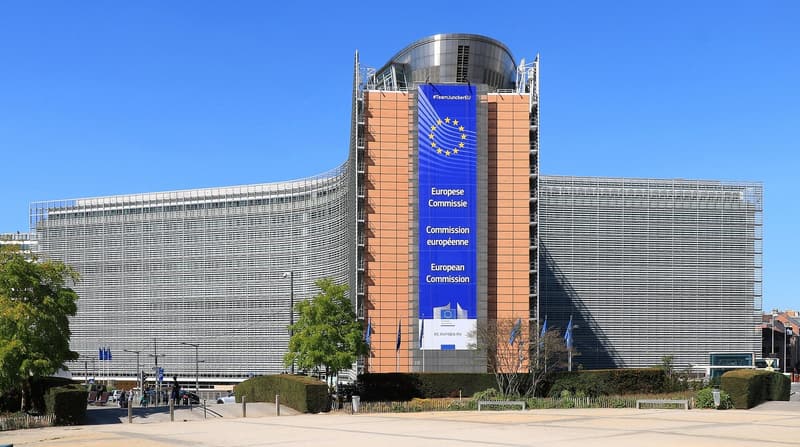
Representative photo · Photo: EmDee / Wikimedia Commons, CC BY-SA 4.0
Prime Minister Andy Burnham’s proposed reset with the European Union has reignited parliamentary debates, facing hurdles from member states and shifting geopolitical landscapes.
Monday is a significant day for British politics as arguments over whether the UK should rejoin the European Union reignite in parliament. Prime Minister Andy Burnham is briefing MPs on the deal he agreed on Friday, marking a continuation of Keir Starmer’s incrementalist approach to UK-EU relations. The agreements reached in Brussels cover food and drink, emissions trading, and youth mobility, allowing British students to work, live, study, and travel in the EU with reciprocal access for European students in Britain.
However, the deal has not yet been ratified by member states. France, Italy, and other EU countries have made it clear that implementation depends on resolving a dispute over tuition fees for European students at British universities. While Burnham and Foreign Secretary Ed Miliband have stated that all options are on the table for the future relationship, critics and analysts note that negotiations with a bloc of 27 nations remain complex and challenging.
Andy Burnham’s proposed EU reset faces hurdles over tuition fees and a shifting European political landscape.
The European Landscape
Europe has shifted significantly since 2016, with far-right parties gaining traction across the continent and now governing countries like the Czech Republic and Italy. Additionally, the EU’s 'Made in Europe' strategy and the Security Action for Europe facility indicate a growing protectionist agenda and centralized defense funding. These developments complicate any potential UK reintegration, as the EU increasingly adopts policies that diverge from traditional British positions.
Why it matters
The debate over Andy Burnham’s reset and future EU relations directly impacts British trade, university tuition fees, and international mobility. As the EU evolves its economic and defense policies without UK input, policymakers must navigate these changes carefully, affecting future domestic policies and international relations.
Sources
More like this

Is the global far right really in retreat?

MPs Urge Miliband to Force Overseas Transparency

Who is Alberto Feijoo, the conservative seeking to lead Spain?