
How Ireland Resisted British Rule Through Sport and Culture
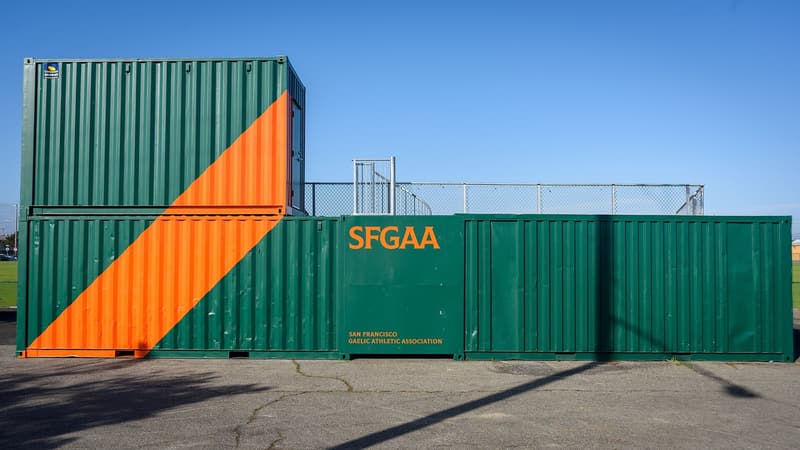
Representative photo · Photo: 9yz / Wikimedia Commons, CC BY 4.0
Game Theory explores how traditional Irish sport became part of a much bigger struggle to protect national heritage and identity under British rule.
When examining how Ireland got independence, historians often look beyond political movements to examine the profound cultural resistance that took place on playing fields across the island. Traditional athletics and games became vital tools for preserving national identity during a time of intense political pressure and foreign control. By organizing local competitions and establishing structured athletic bodies, communities found a way to maintain their distinct heritage despite severe restrictions.
At the center of this movement was the founding of the Gaelic Athletic Association, which sought to revive and promote indigenous pastimes that were at risk of disappearing. These sporting organizations provided a vital social fabric for citizens, uniting populations under a shared cultural banner. As participation grew, athletic events transformed from simple recreational gatherings into powerful demonstrations of national pride and unity.
Traditional Irish sport became a vital pillar in the nation's broader struggle to protect its heritage.
The tension between cultural preservation and colonial administration reached a devastating peak at Croke Park in 1920. During a Gaelic football match, forces opened fire on the grounds, resulting in a tragic loss of life that permanently marked the history of the nation's sporting movement. This dark chapter underscored the immense risks participants and spectators faced simply by engaging with their native traditions.
Understanding How Ireland Got Independence Through Heritage
The preservation efforts extended far beyond the immediate athletic fields, influencing the broader social consciousness of the population. Through the dedication of organizers, athletes, and local communities, traditional games endured the darkest periods of political turmoil and emerged as central pillars of the nation's cultural identity.
Why it matters
This historical exploration highlights how cultural heritage and athletic institutions can serve as powerful instruments of resistance and preservation during periods of foreign rule. It demonstrates that the defense of national identity often happens in cultural spaces just as much as political ones.
Sources
More like this

Carlos Alcaraz defeats Alexander Zverev to win first ATP Finals title
Pochettino faces tough start as Manchester United manager after 4-0 defeat

Washington Spirit Suffer Heartbreak in NWSL Final Loss to Kansas City Current
