Science
NASA Accelerates Moon Landing Timeline to 2028 in New Astronomy News
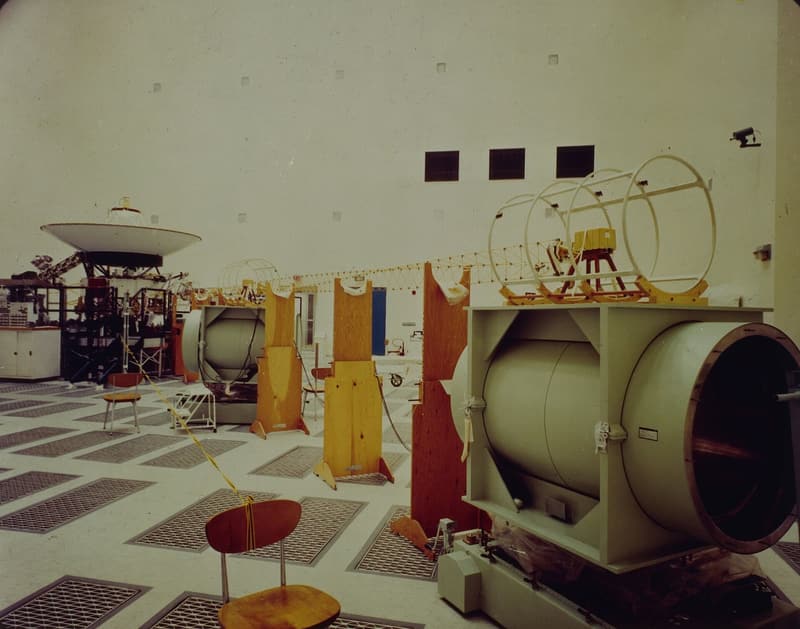
Representative photo · Photo: PLBthetoonist / Wikimedia Commons, CC BY-SA 4.0
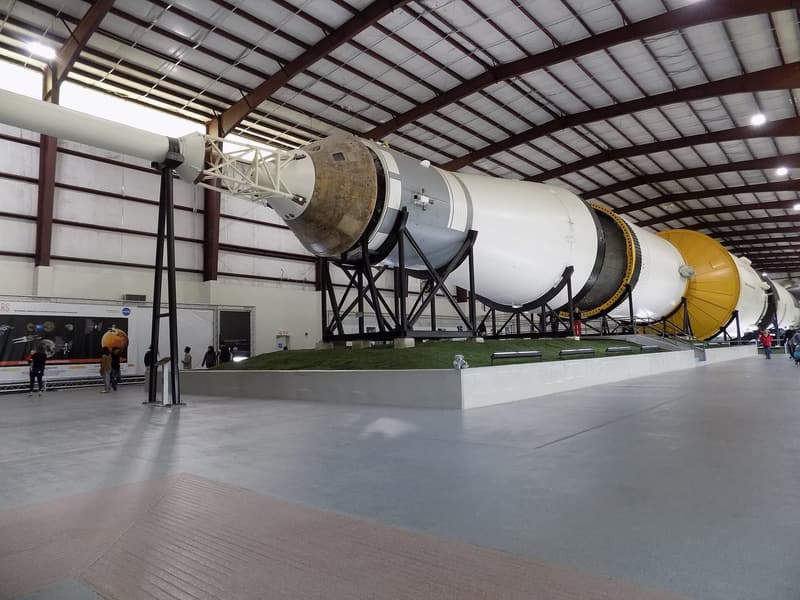
Representative photo · Photo: PLBthetoonist / Wikimedia Commons, CC BY-SA 4.0
NASA has updated its lunar exploration strategy, setting a faster timeline to return humans to the Moon by the year 2028.
In recent astronomy news released on November 9, 2026, the United States space agency announced an expedited timeline for its upcoming lunar missions. The updated schedule aims to place human astronauts back on the surface of the Moon by 2028, reflecting a newly fast-tracked approach to deep space exploration.
As part of this accelerated strategy, two major aerospace enterprises are actively competing to build the necessary hardware. Both SpaceX and Blue Origin are currently developing rival lunar landers designed to safely transport crew members to and from the lunar surface. These parallel engineering efforts are intended to foster technological innovation and ensure dependable transport options for the agency's upcoming flight rosters.
NASA speeds up lunar landing timelines to 2028 with competing commercial landers.
Before the crewed mission takes place, a critical test flight is slated for 2027. This upcoming orbital test will evaluate key systems in space, serving as a major technical milestone before astronauts make their historic return to the lunar environment.
This schedule update shifts the pace of international space exploration and commercial aerospace development. The accelerated timeline directly involves major private aerospace developers and impacts global tracking of deep space missions, setting a renewed benchmark for crewed lunar operations within the decade.