Bluetongue Virus Confirmed in County Down
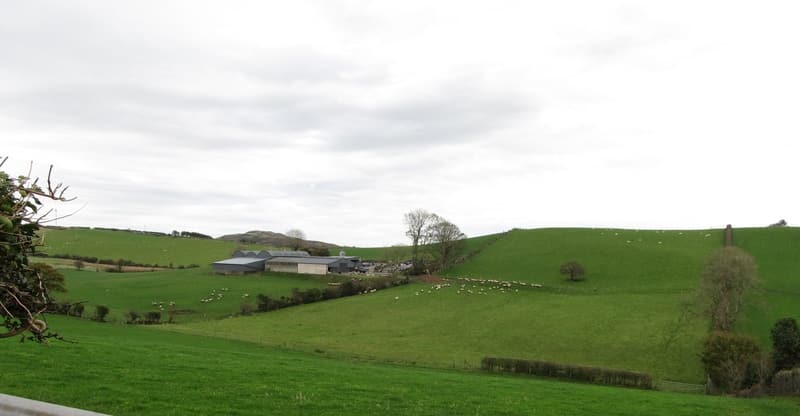
Representative photo · Photo: Eric Jones / Wikimedia Commons, CC BY-SA 2.0
The first seasonal case of bluetongue virus in Northern Ireland has been confirmed in three sheep on a County Down farm.
The first case of bluetongue virus in Northern Ireland for the current season has been confirmed following laboratory tests on a farm in Kilkeel, County Down. Department of Agriculture, Environment and Rural Affairs officials reported that the infection was identified in three sheep, marking another detection of the livestock disease in the region.
Despite the positive tests, authorities stated that no additional movement restrictions or disease control zones will be implemented at this time. This decision was made because the virus has remained present in Northern Ireland since it was first detected near Bangor in November 2025. A number of other herds along the eastern coast have also experienced the condition, which impacts ruminants such as cattle, sheep, goats, and deer.
Minister Andrew Muir described the discovery as disappointing but expected, noting the wider spread of the disease across Great Britain and the Republic of Ireland, where over a hundred cases have been recorded in recent months. Meanwhile, infections in England have risen significantly to 2,950 confirmed instances. Experts believe a mild winter allowed a higher number of the biting midges that transmit the virus to survive and become infectious.
Bluetongue Virus County Down Detection
Chief Veterinary Officer Brian Dooher advised farmers to remain vigilant for clinical signs in their livestock and to report any suspicions immediately. Active surveillance continues at abattoirs, alongside post-import testing for susceptible animals brought in from mainland European Union countries. Authorities emphasized the necessity of safe and responsible animal sourcing practices to prevent further spread.
The bluetongue virus has been detected in three sheep on a County Down farm.
Officials stressed that the virus poses zero threat to public health or food safety, confirming that meat and milk remain entirely safe for consumption. Awareness and stringent biosecurity measures continue to be highlighted as essential tools for managing the presence of the disease.
Why it matters
The confirmation of the virus affects local livestock owners by reinforcing the need for strict biosecurity and active monitoring of herds. While no new trade restrictions are currently applied, the ongoing presence of the disease in Northern Ireland requires continued vigilance from farmers to protect susceptible animals.
Sources
More like this

Jojo the Gorilla Faces Extreme Isolation: Can He Find a Companion?

AI Helps Unlock Discoveries in Kurt Gödel Notebooks
Rare Siberian Rubythroat Found in Cumbria After Being Killed by a Cat